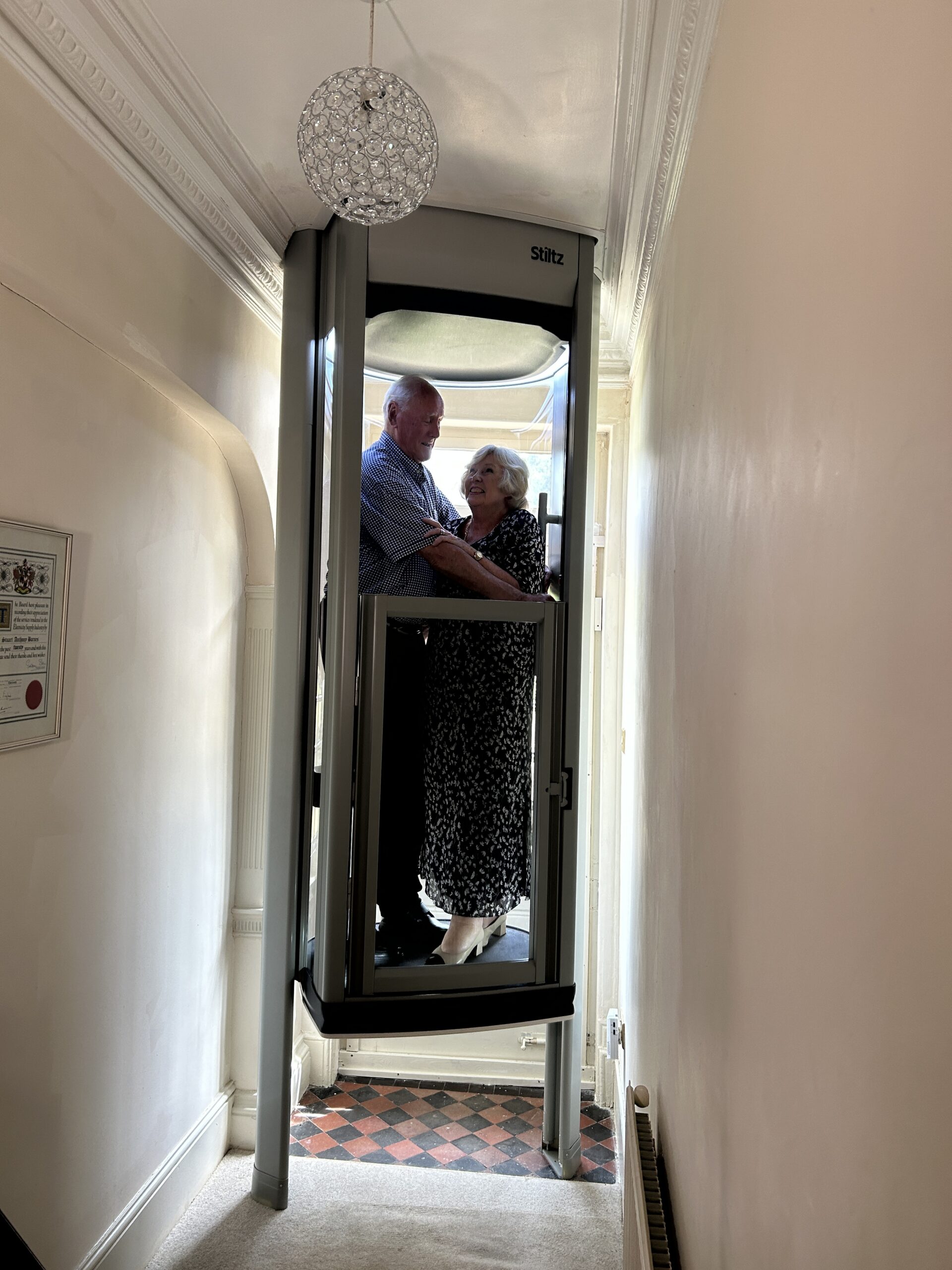
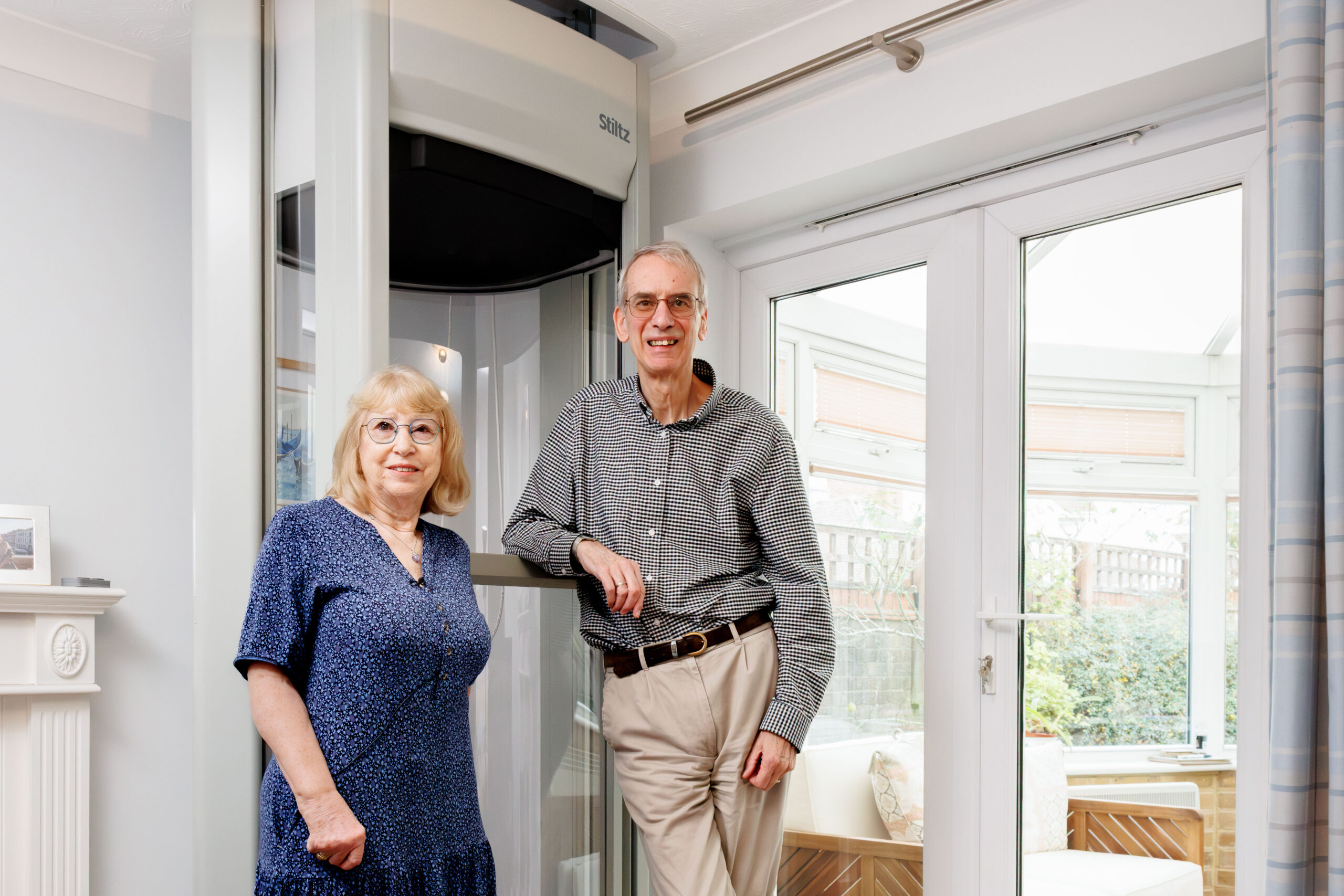
When Stuart ruptured a tendon at 80-something, stairs turned overnight from an afterthought into the barrier that risked ending 30 years of independent living in the Kent farmhouse he and Di call home.

Below are a selection of Insights articles related to homelifts within the healthcare sector. These pieces cover various aspects of how homelifts are being integrated into occupational healthcare, from enhancing mobility for individuals with disabilities to improving quality of life in healthcare settings. Explore the latest insights and developments in this growing area.
When Stuart ruptured a tendon at 80-something, stairs turned overnight from an afterthought into the barrier that risked ending 30 years of independent living in the Kent farmhouse he and Di call home.
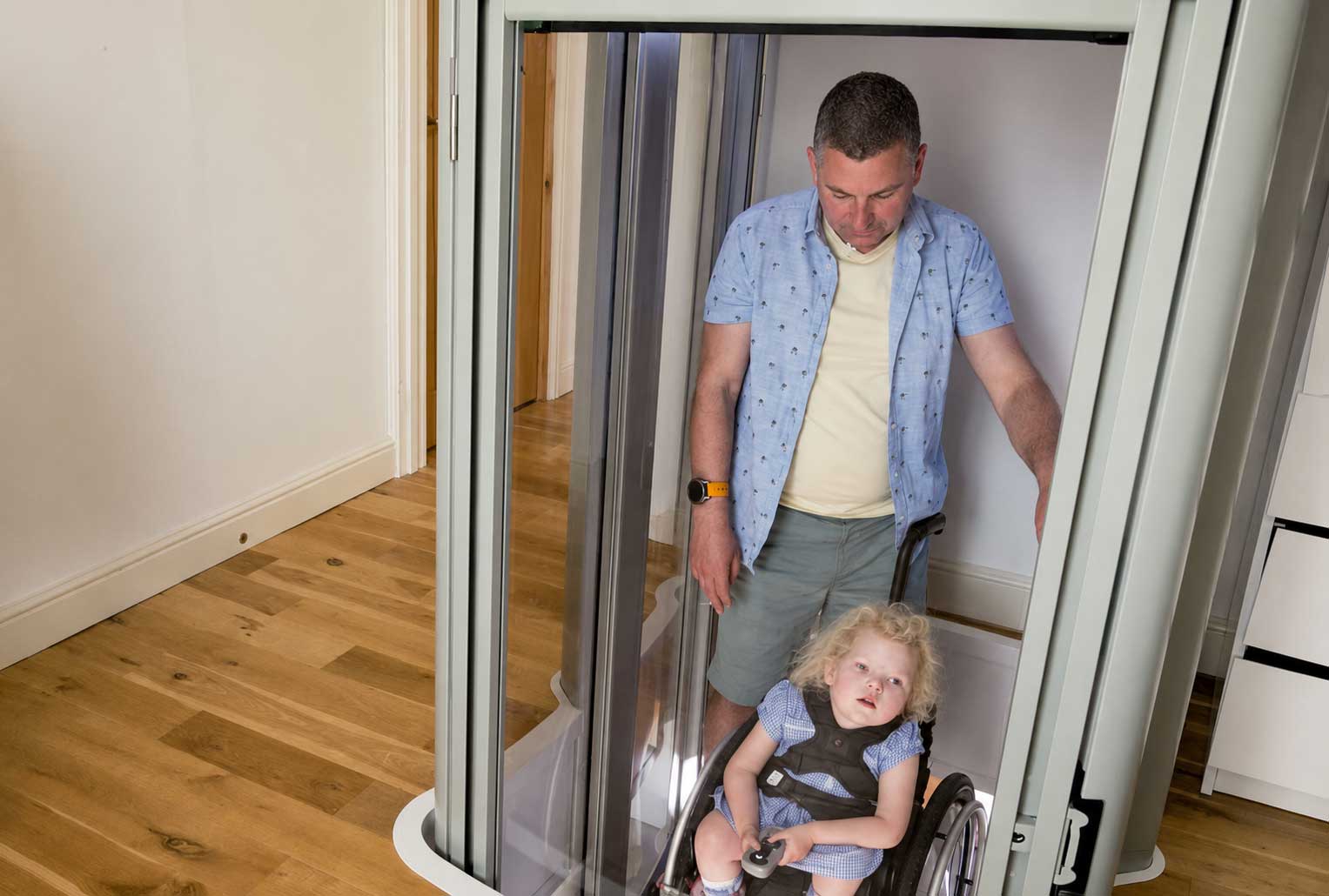
Many people provide everyday care without thinking of themselves as carers. With the right home adaptations daily life can become easier for the person receiving support and those around them.
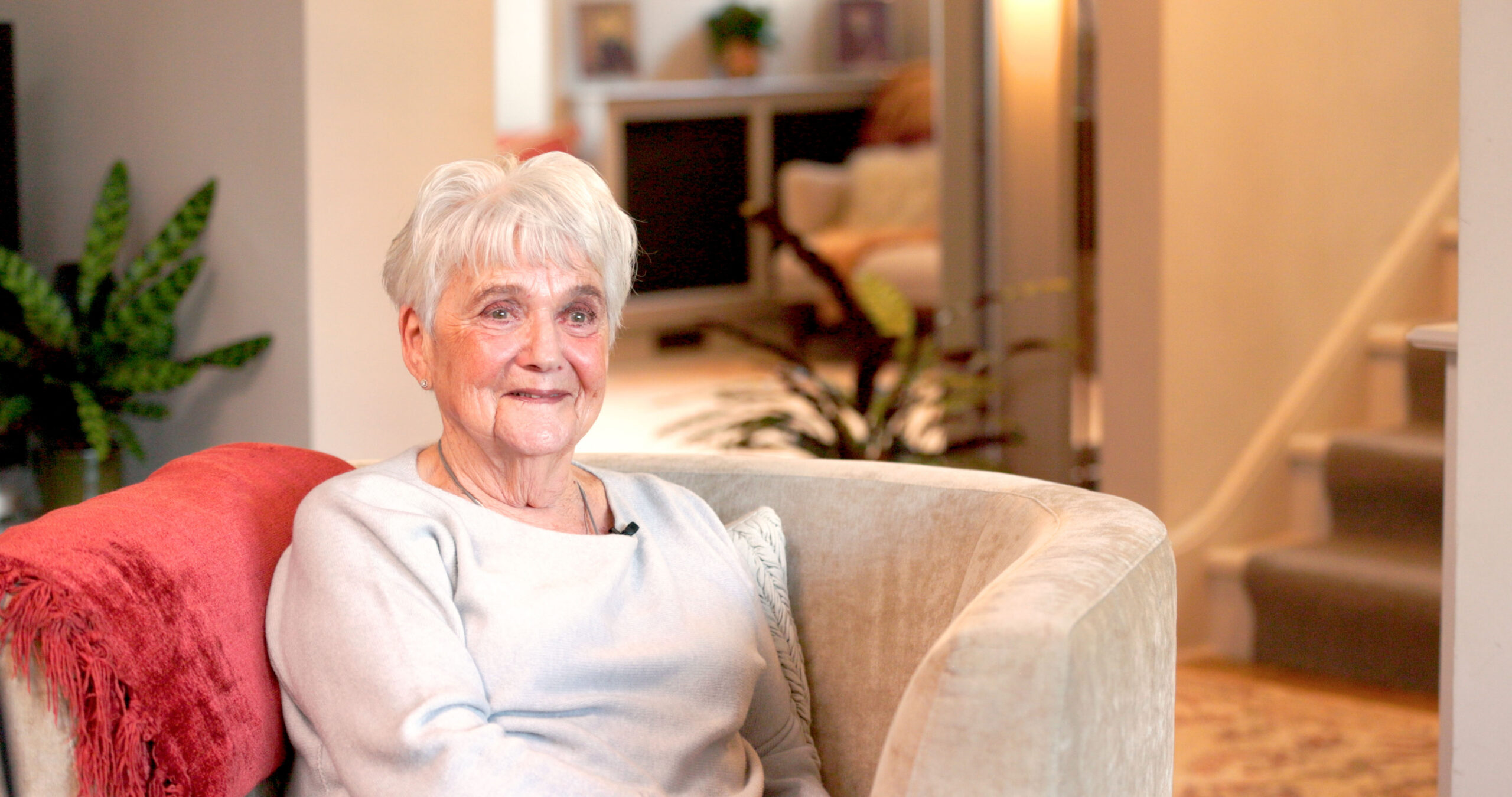
Marian Ramsay, who lives with complex, long-term mobility impairments including rheumatoid arthritis and limb amputation, was finding stairs increasingly challenging and unsafe.
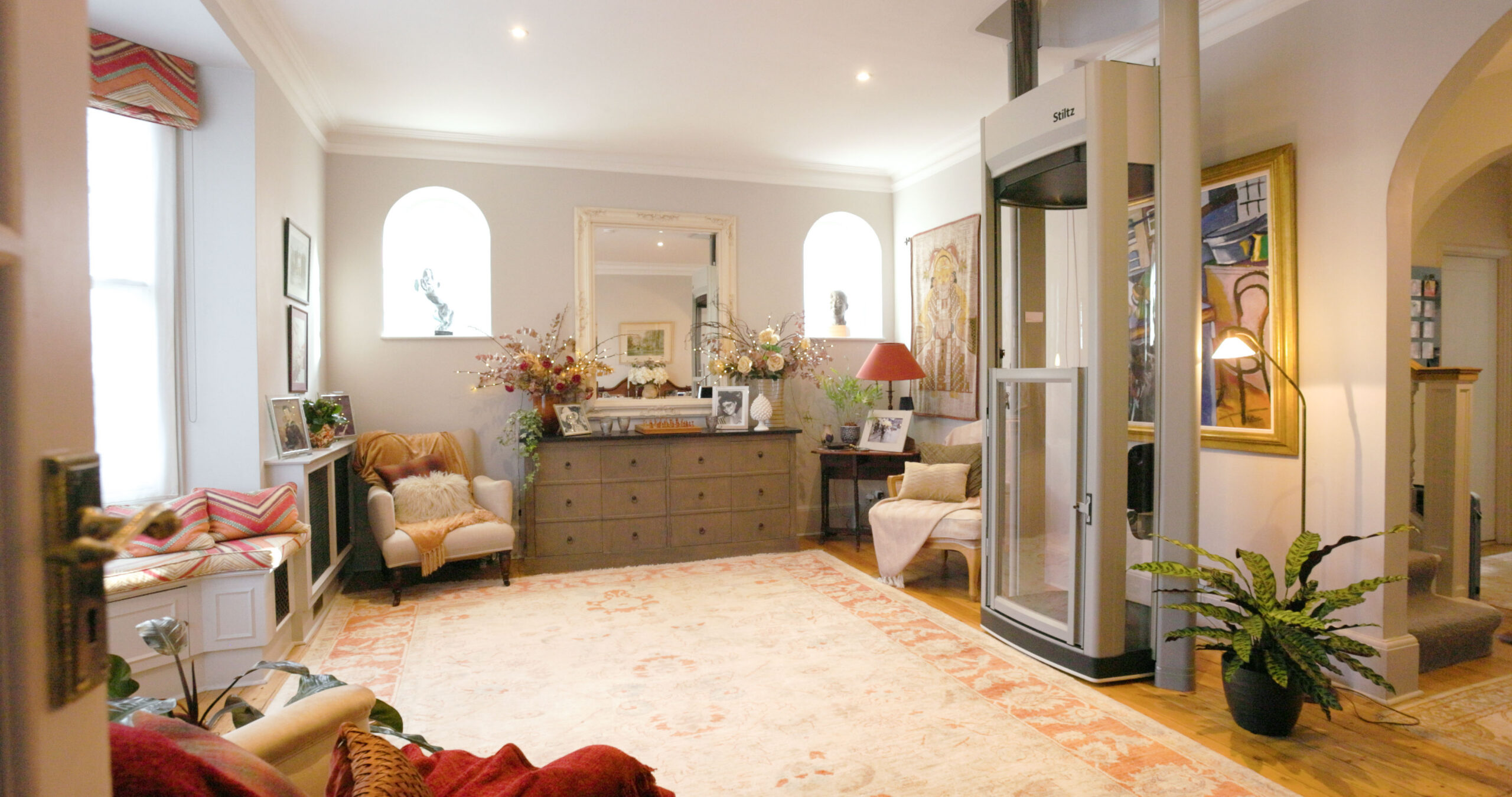
The thought of leaving a long-established family home, filled with familiarity and connection, can be difficult, both practically and in terms of mental health.
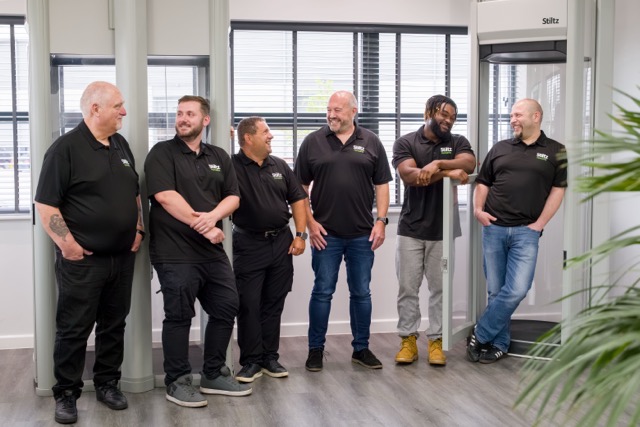
When a homelift is prescribed as part of a home adaptation, the focus is rightly on the individual, their safety, independence and long-term needs. But behind each installation is a dedicated team making sure the technical detail is right.
Marian Ramsay, who lives with complex, long-term mobility impairments including rheumatoid arthritis and limb amputation, was finding stairs increasingly challenging and unsafe.
Marian Ramsay, who lives with complex, long-term mobility impairments including rheumatoid arthritis and limb amputation, was finding stairs increasingly challenging and unsafe.
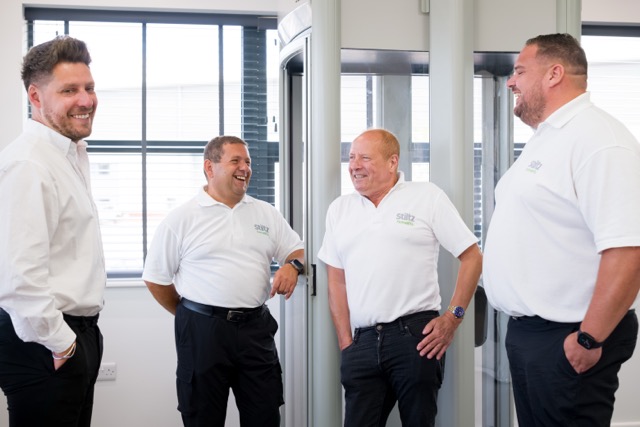
The Stiltz Trade Team comprises colleagues from business development, Trusted Assessors, technical support and order processing / administration. Each individual works closely with private and local authority occupational therapists, case managers and housing adaptations officers.
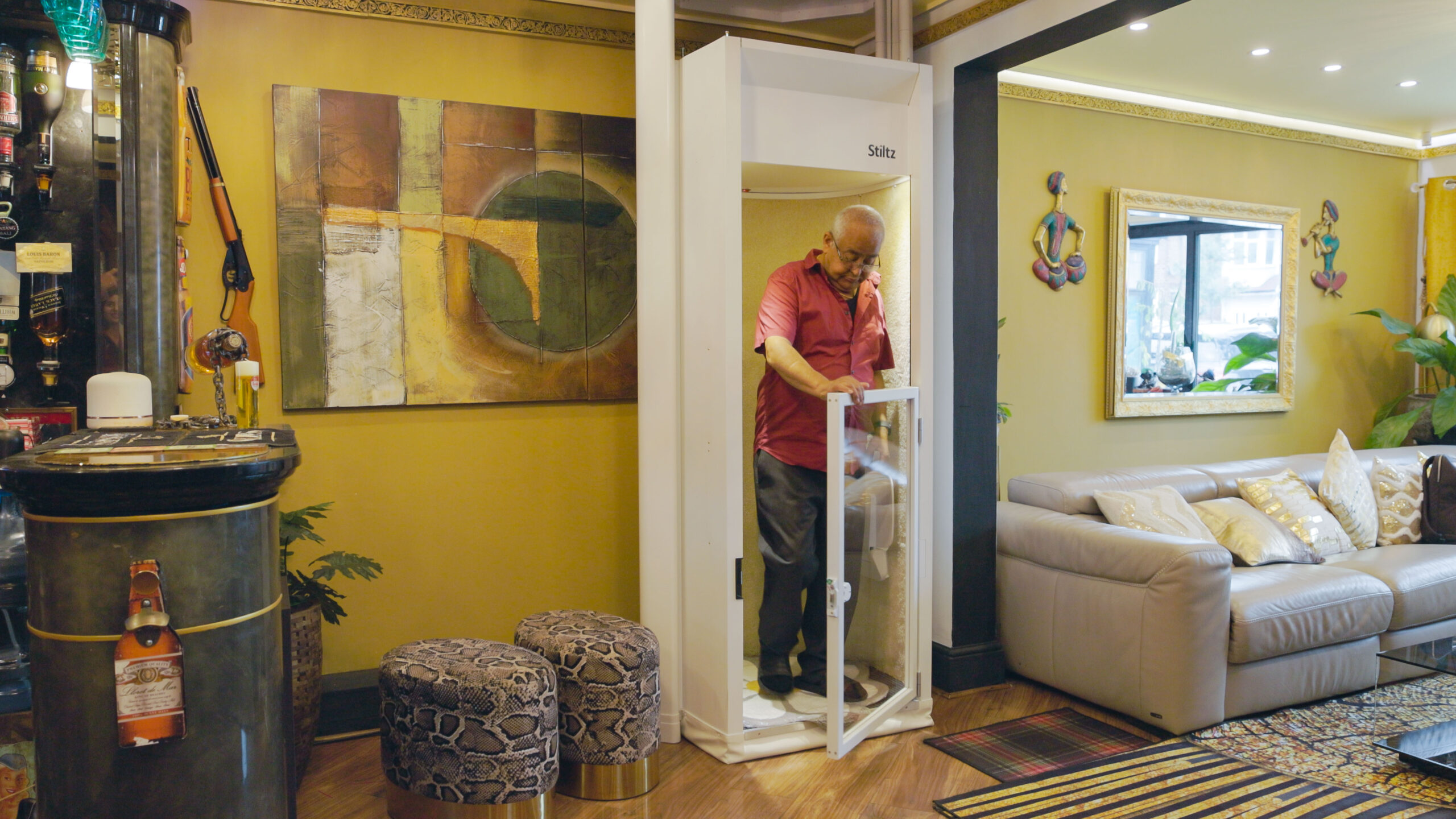
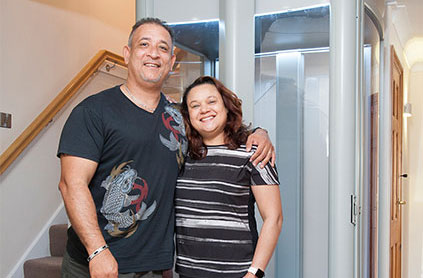
When long-term mobility challenges began to affect Eddie and Chanda Advani, both aged in their early sixties, maintaining independence and safety at home became a growing concern.

When long-term mobility challenges began to affect Eddie and Chanda Advani, both aged in their early sixties, maintaining independence and safety at home became a growing concern.

There are always some things worth fighting for and Craig Mucznik felt exactly like that about his Stiltz home lift. Back in 2005, Craig Mucznik had a serious motorbike accident leaving him with life-changing injuries.

A family from Wokingham were able to buy their own home and modify it to be fully accessible – including the installation of a Stiltz Trio+ Homelift – after mother of two, Dani suffered a catastrophic injury playing rugby in 2017.
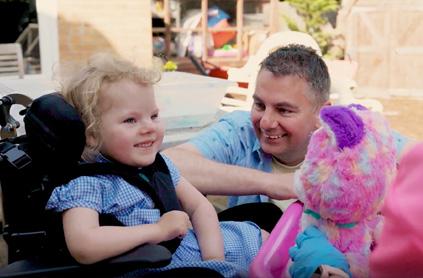
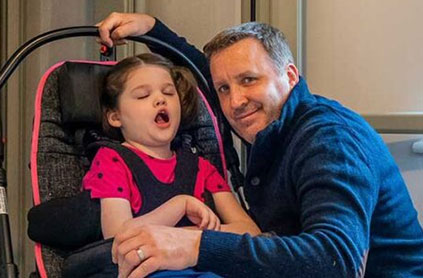
Occupational Therapist and father Stuart Barrow shares how a Stiltz Homelift has transformed life at home for his daughter Bonnie, who lives with Spina Bifida.

Star Wars superfan Paul Couldrey has transformed his home into a model-making, memorabilia-filled galaxy and a Stiltz Trio+ Homelift now helps him access every part of it.
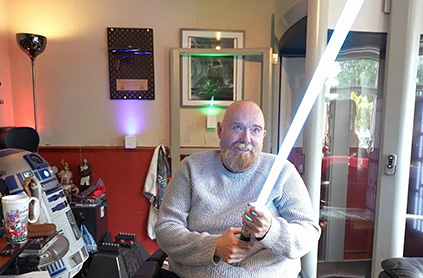
This case study explores how a homelift transformed the home of a Star Wars superfan, helping him adapt his space to suit both his lifestyle and accessibility needs.

Para pickleball champion, Andy McErlean, 54, from Waterlooville near Portsmouth, has recently chosen a Stiltz Trio+ Homelift as the centrepiece to his remodelled contemporary and accessible home.
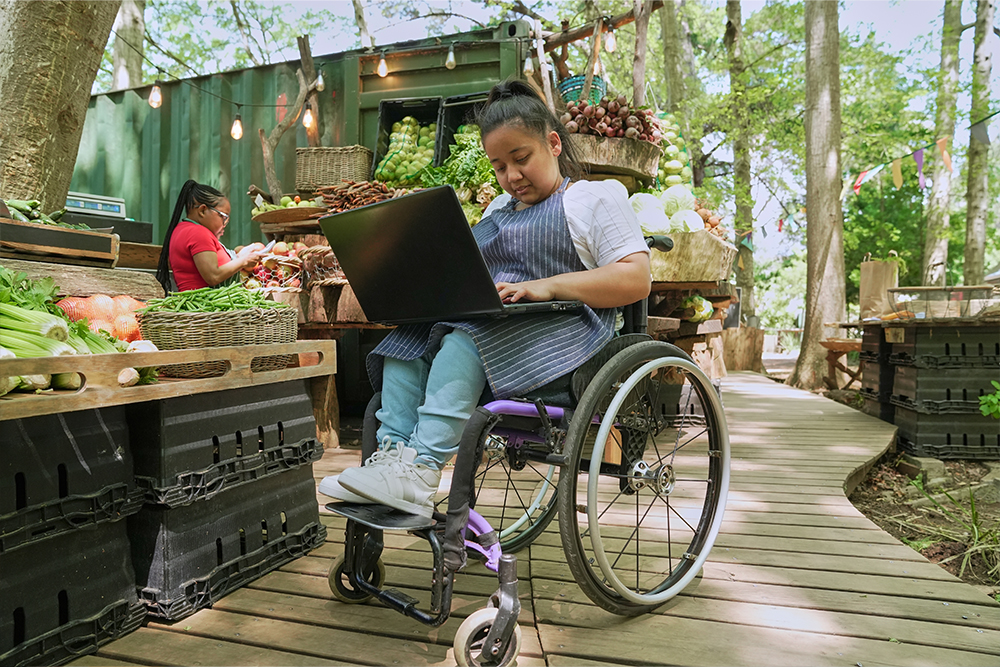
Spina Bifida is one of the most common birth defects and occurs when the spine and spinal cord don’t form properly during early pregnancy. It can range from mild to severe and this directly affects the levels of mobility of the person with the condition.
This case study explores how a homelift helped one family adapt their home for a young child with complex needs. It highlights the journey from recognising a problem, navigating the challenges of home adaptation, and the long-term impact on safety, independence, and emotional well-being.
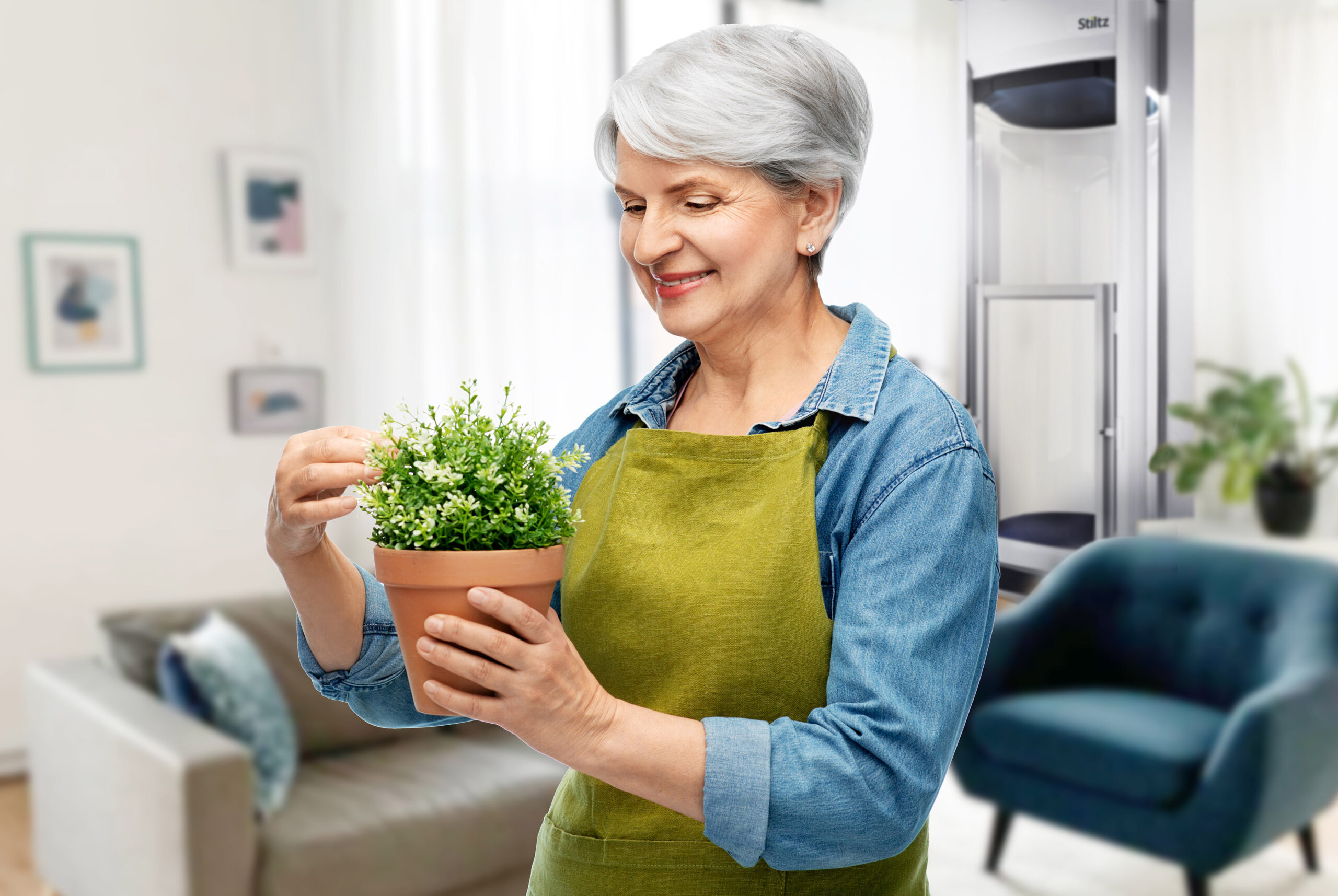
A growing number of older adults in the UK are keen to challenge outdated ideas about ageing and strive to be just as ambitious, creative and independent in later life as at any other stage.
Jasmine, a young girl with complex disabilities, faced numerous challenges, including Global Motor Delay and the inability to walk or speak. Her parents, Andy and Tara, found themselves in a precarious situation, struggling with the daily task of carrying Jasmine up and down the stairs.
Para pickleball champion, Andy McErlean, 54, from Waterlooville near Portsmouth, has recently chosen a Stiltz Trio+ Homelift as the centrepiece to his remodelled contemporary and accessible home.
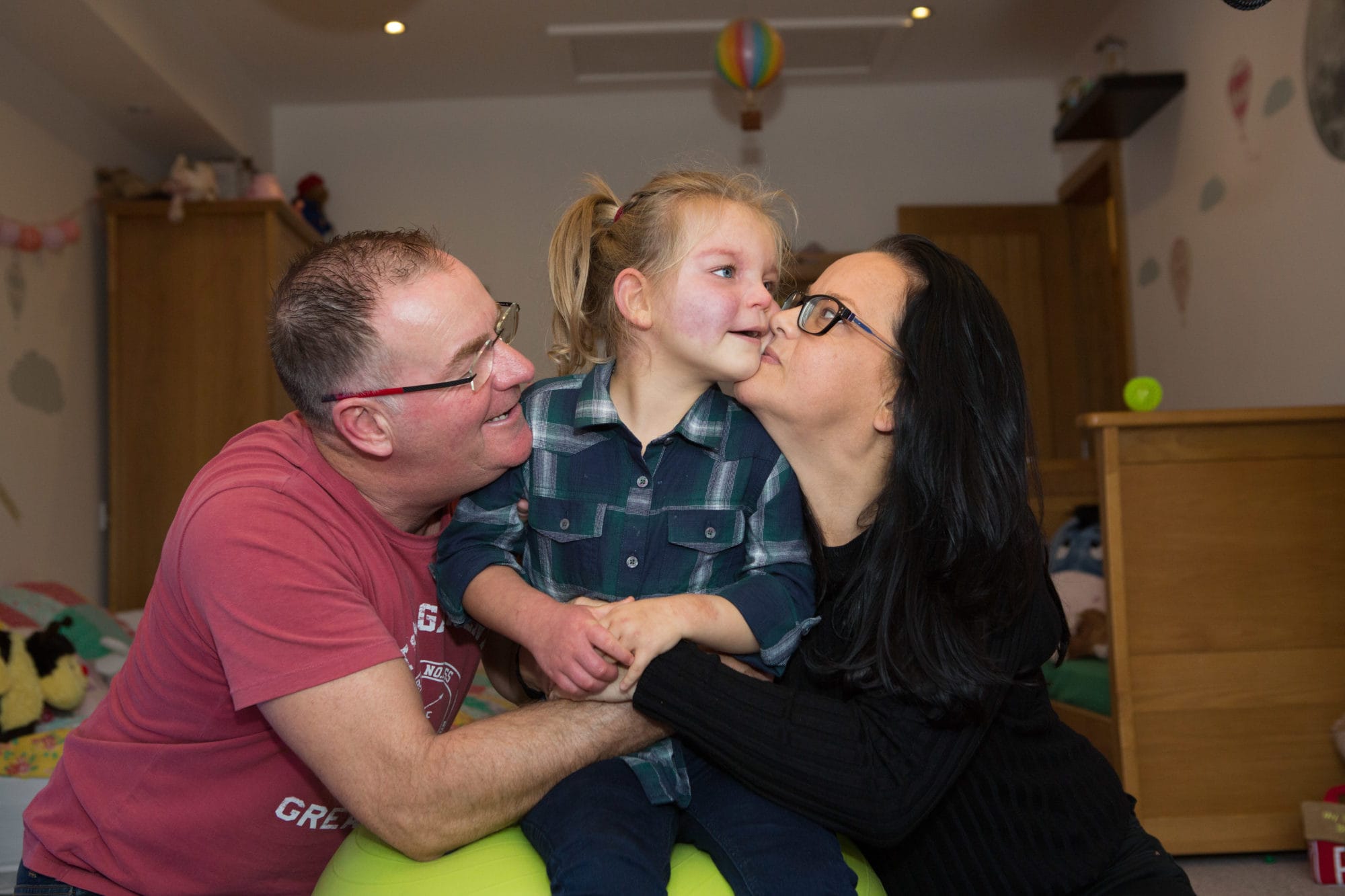
Mr. Callaghan’s four-year-old suffers from a condition called Sturge Weber Syndrome – a rare neurological and skin disorder which causes learning difficulties, paralysis and seizures.
This is placeholder for issues on Archive pages
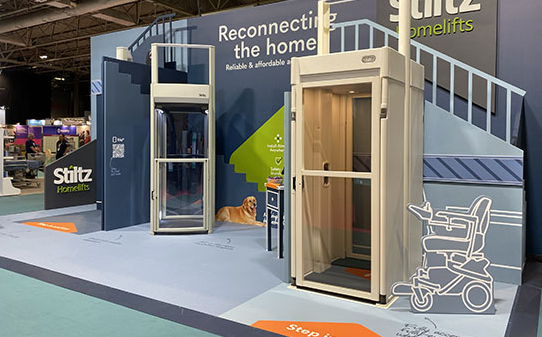
As the future-proofed alternative to outdated stairlifts, homelifts by Stiltz continue to drive change around the world. This UK-based manufacturer is still a relative fledgling in the assistive product sector with only 13 years of heritage.

As specialists who deliver homelifts through Disabled Facilities Grants, at this Autumn’s DFG Champions Roadshows Stiltz will focus on how this unique holistic service is available to social housing providers.

Stiltz will be present at all OTAC ’24 events to provide insight on how the company works closely with housing and HCPs to help deliver sustainable outcomes for clients by calling on a range of homelift solutions.

New Year’s Resolutions can be more of a pain than a gain, but here’s one which requires no heavy lifting. Taking on the Dry January Challenge and dropping the drink has more going for it than you think!
A man who lost both of his legs in a horrific accident almost a decade ago in Lyme Regis has finally realised his dream of living in a two-storey house after learning to walk again. Alexander Quan was left fighting for his life when a 7.5 tonne Royal Mail truck ploughed into him on his 38th birthday on October 15th, 2010.
New, more versatile Stiltz Trio Classic L Homelift unveiled at OT Show. Supported by Stuart Barrow, Occupational Therapist, we have unveiled our new Trio Classic L Homelift at the 2023 OT Show. Delegates were able to get onboard the Trio Classic L for the first time and engage with the on-stand team regarding its capabilities.
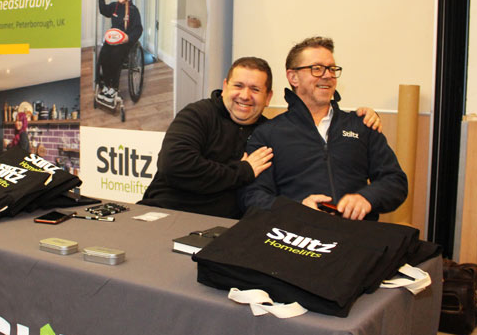
Stiltz Homelifts will present Continuing Professional Development (CPDs) at every Occupational Therapy Adaptations Conference (OTAC) during 2023 in response to growing demand from housing adaptation professionals.
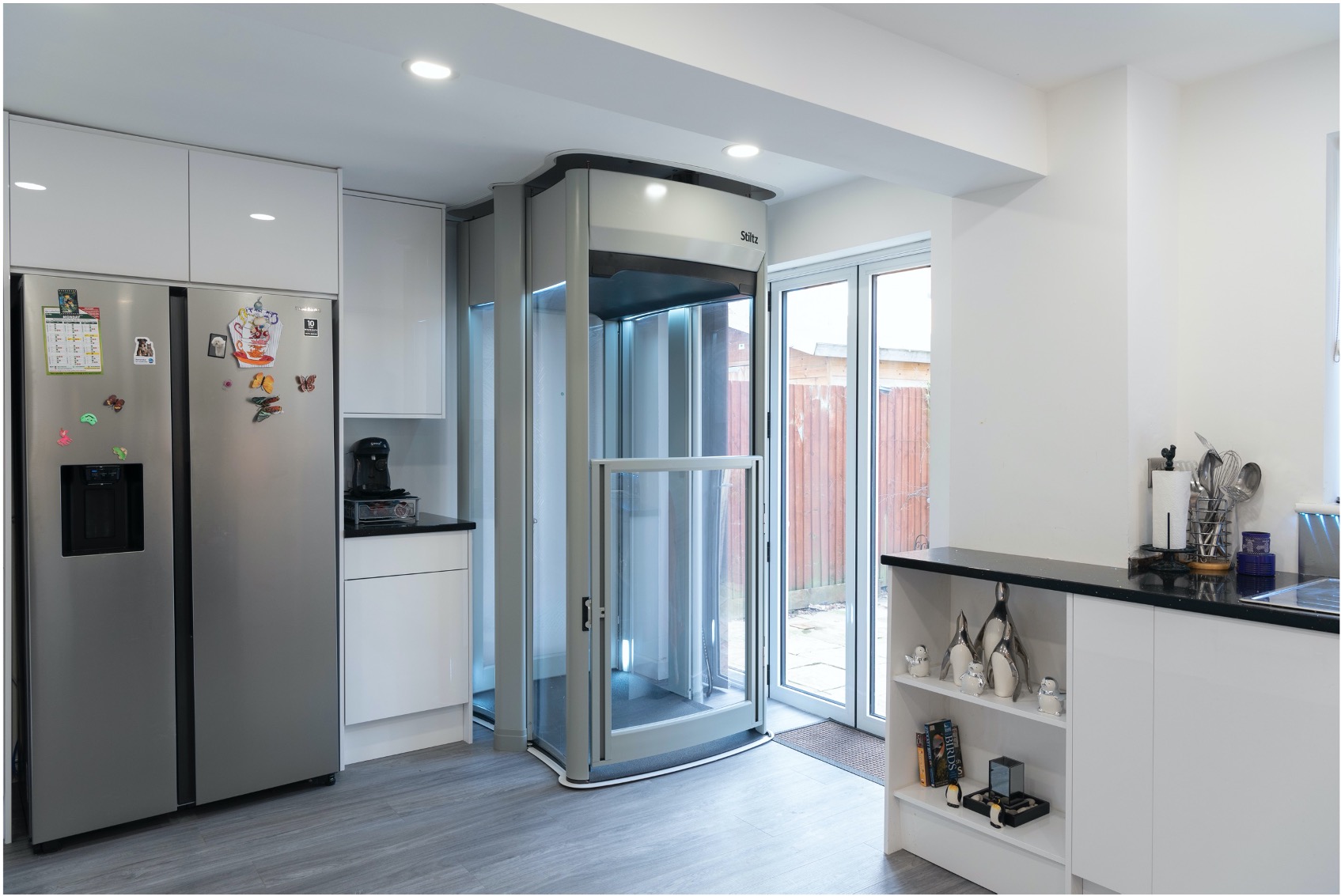
Back in 2005, Craig Mucznik had a serious motorbike accident leaving him with life-changing injuries. Aged just 30, he was placed in a coma suffering major leg and chest injuries which later resulted in visual impairment leaving him with only four per cent vision in one eye.

To support Occupational Therapists throughout 2022, we will be exhibiting and presenting our CPD seminar ‘How Homelifts Facilitate In-Home Enablement’ at the Occupational Therapy Adaptation Conferences around the UK (OTAC).
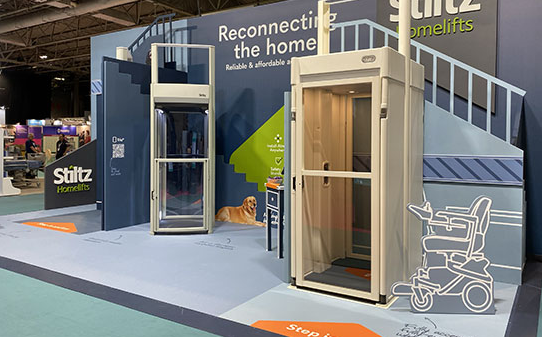
Stiltz Homelifts’ commercial excellence confirmed with Advanced CHAS Accreditation. Stiltz Homelifts is pleased to announce accreditation to the Advanced Contractors Health and Safety Assessment Scheme (CHAS). Stiltz manufactures domestic lifts that enable positive living and ageing in place, with ethical selling and supply chain practices strictly adhered to.

We are supporters of Foundations, the National Body for Home Improvement Agencies in England. Their website is a leading resource for Disabled Facilities Grants and has published our guide: ‘Making caseloads easier for Grant and Technical Officers…’

Stiltz will demonstrate at OTAC Reading why its range of proven homelifts deliver successful outcomes for OTs and their clients with inaccessible housing.
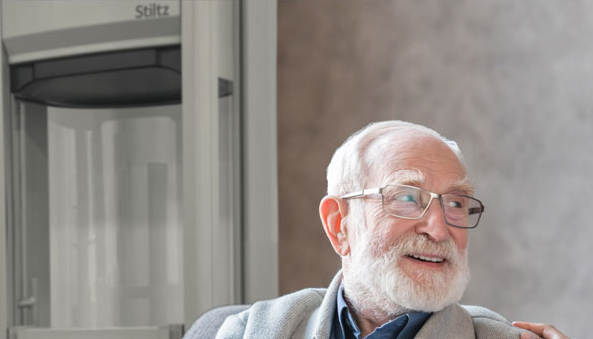
To help healthcare professionals achieve better client outcomes, Occupational Therapist Stuart Barrow covers the most common misunderstandings about domestic home lifts – from fire safety to Disabled Facilities Grants.
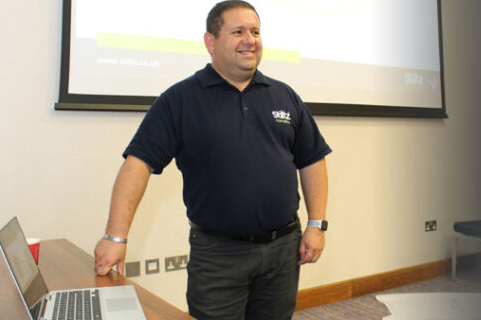
At OTAC Chester (Occupational Therapy Adaptation Conference), Stiltz will be presenting its range of proven homelifts alongside supportive material to assist professionals responsible for specifying appropriate access solutions in the community.
At OTAC Southampton (Occupational Therapy Adaptation Conference), product specialists from Stiltz Homelifts will be exhibiting a range of expert material to assist professionals responsible for client independence in the home.
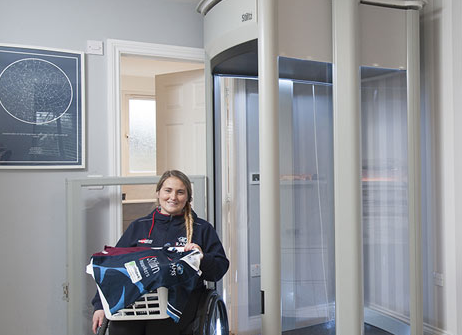
Our latest blog discusses the importance of accessible housing for spinal cord injured adults, the role housing plays during rehabilitation and the impact on your clients physical and mental health and wellbeing.
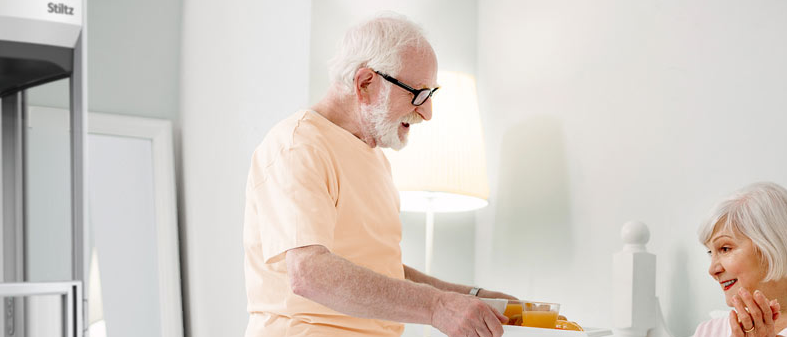
Being a parent with disabilities is in many ways no different from being an able-bodied parent.
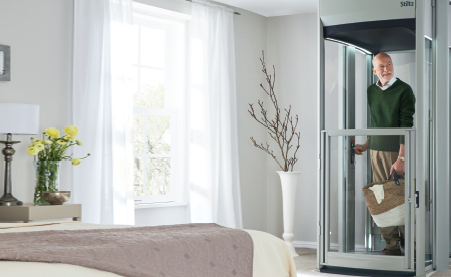
At the Royal College of Occupational Therapist Annual Conference 2021, Stiltz will be showcasing its range of domestic home lifts and how its client-centric approach reflects OT best practice.
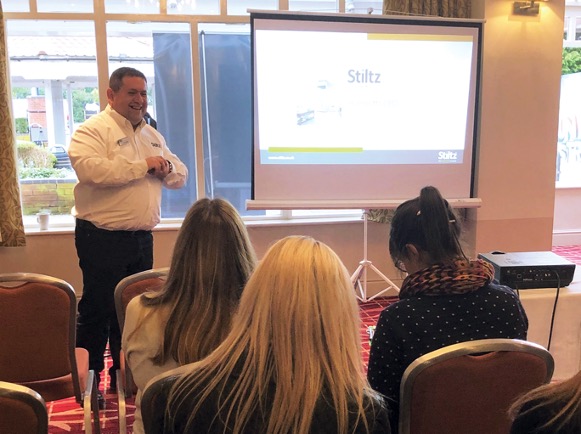
At OTAC Leeds, Gino Farruggio, a senior specialist from Stiltz Homelifts, will be illustrating how homelift applications can support individuals in increasing independence in the home.
The coronavirus pandemic has had a profound impact on everyone, forcing people to isolate, shield and minimise contact with friends and family.
With the pandemic compromising client mobility and well-being, Stiltz will be exploring the role of effective homelift applications during the pandemic at its inaugural CPD seminar of this year – OTAC Exeter, 26th May 2021.
As Occupational Therapists we work within numerous areas, but the common goal is to create purposeful occupation through therapeutic intervention. Often, we have to balance the ability to provide reablement with the limitations of the services we have available to us.

As our population ages, health and wellbeing issues develop. Compromised mobility is a common problem which can lead to chronic challenges such as loss of self-esteem, plus isolation and loneliness if living alone.

If you are supporting a client with restricted mobility, you are continually aware they might be at risk of a fall when using the stairs in their home. Falls can result in medical intervention as well as ongoing care during rehabilitation.

An increasing number of older people live with long-term health conditions and restricted mobility, meaning independent living is more important than ever.
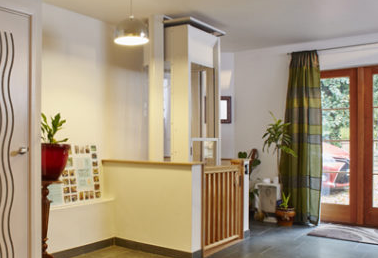
If mobility becomes challenging due to age, disability, or health issues, use of stairs can increase the risk of injury in the home. Relevant home adaptations can prevent trips and falls, leading to increased independence and mental wellbeing.
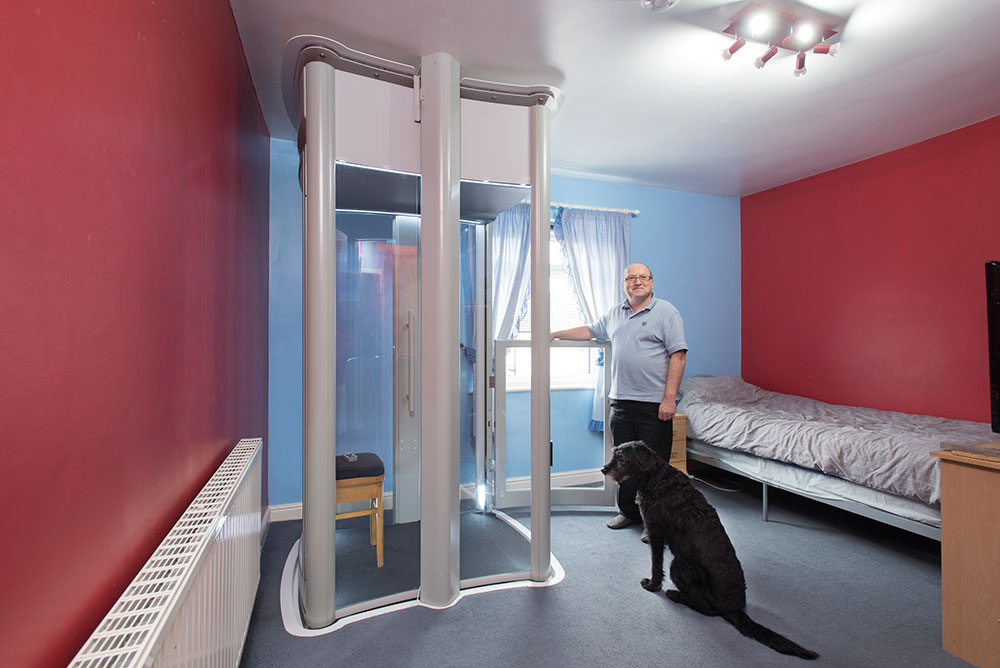
Steve Waller, 64 from Rotherham, is the latest stroke survivor to be safer at home after the installation of a brand new Stiltz Trio+ Home lift, partly funded by a Disabled Facilities Grant (DFG). Steve has lived in Brampton, north of Rotherham, for over 25 years after working in the Heavy Plant Industry and charity sector.
A DFG is provided by the local authority to install home lifts, stairlifts, ramps, accessible baths/showers and other accessible adaptions in the home. These are provided with the aim of enabling disabled adults & children to lead more independent lives whilst supporting families & carers.
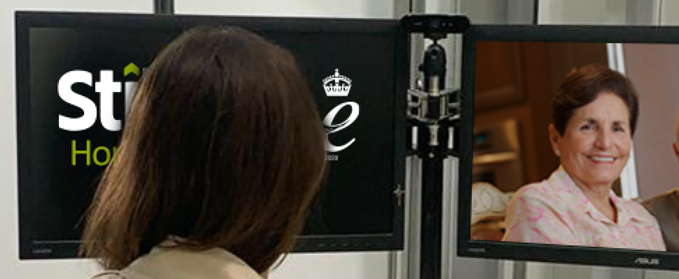
Providing a high-definition virtual showroom, multi-award-winning Stiltz Homelifts is supporting vulnerable clients with the latest video technology through its hi-tech South African business partner.
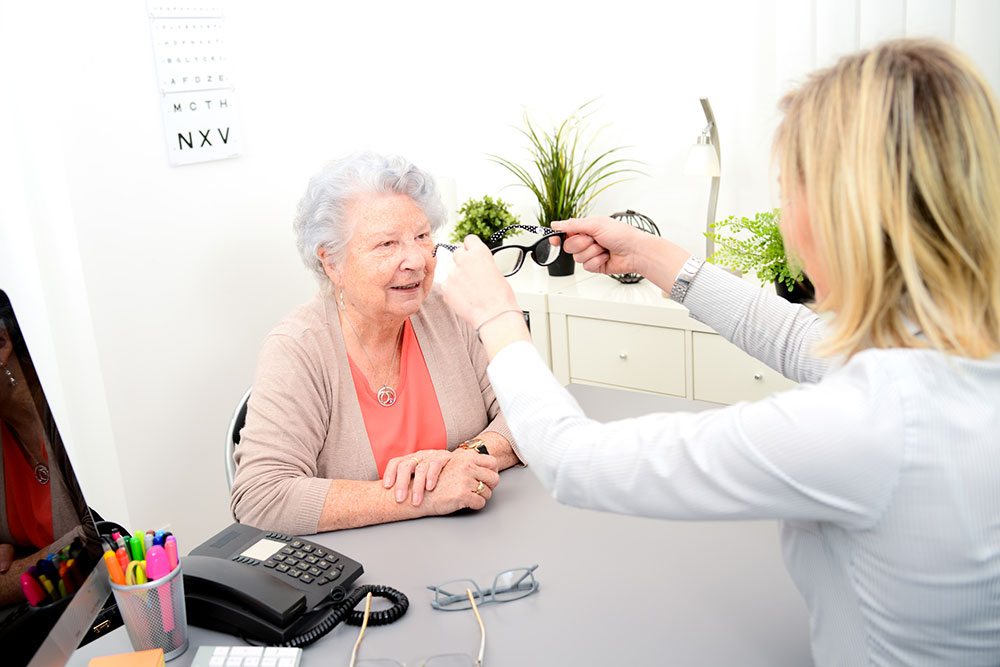
Visual impairment, also known as vision loss, is a decrease in the ability to see to a degree that causes problems which are not fixable by glasses or contact lenses. In the UK, there are almost 2 million people living with sight loss.
A family from Wokingham were able to buy their own home and modify it to be fully accessible – including the installation of a Stiltz Trio+ Homelift – after mother of two, Dani suffered a catastrophic injury playing rugby in 2017.
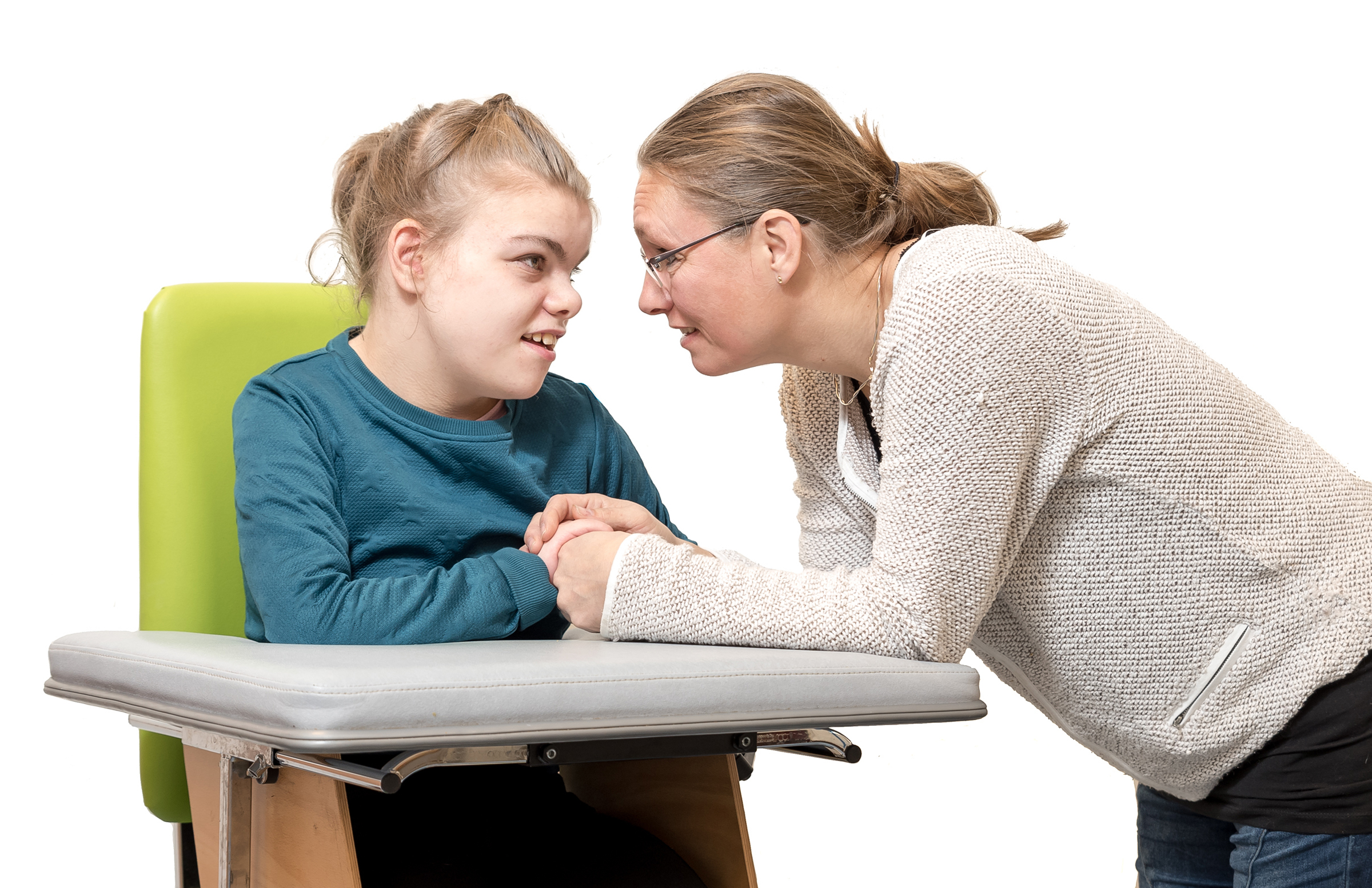
With an age range of between birth to 16, Paediatrics encompasses the medical care of infants, children and adolescents who suffer from physical and/or mental illness. In cases where mobility is affected due to illness or injury, certain measures should be taken to ensure the appropriate level of care.
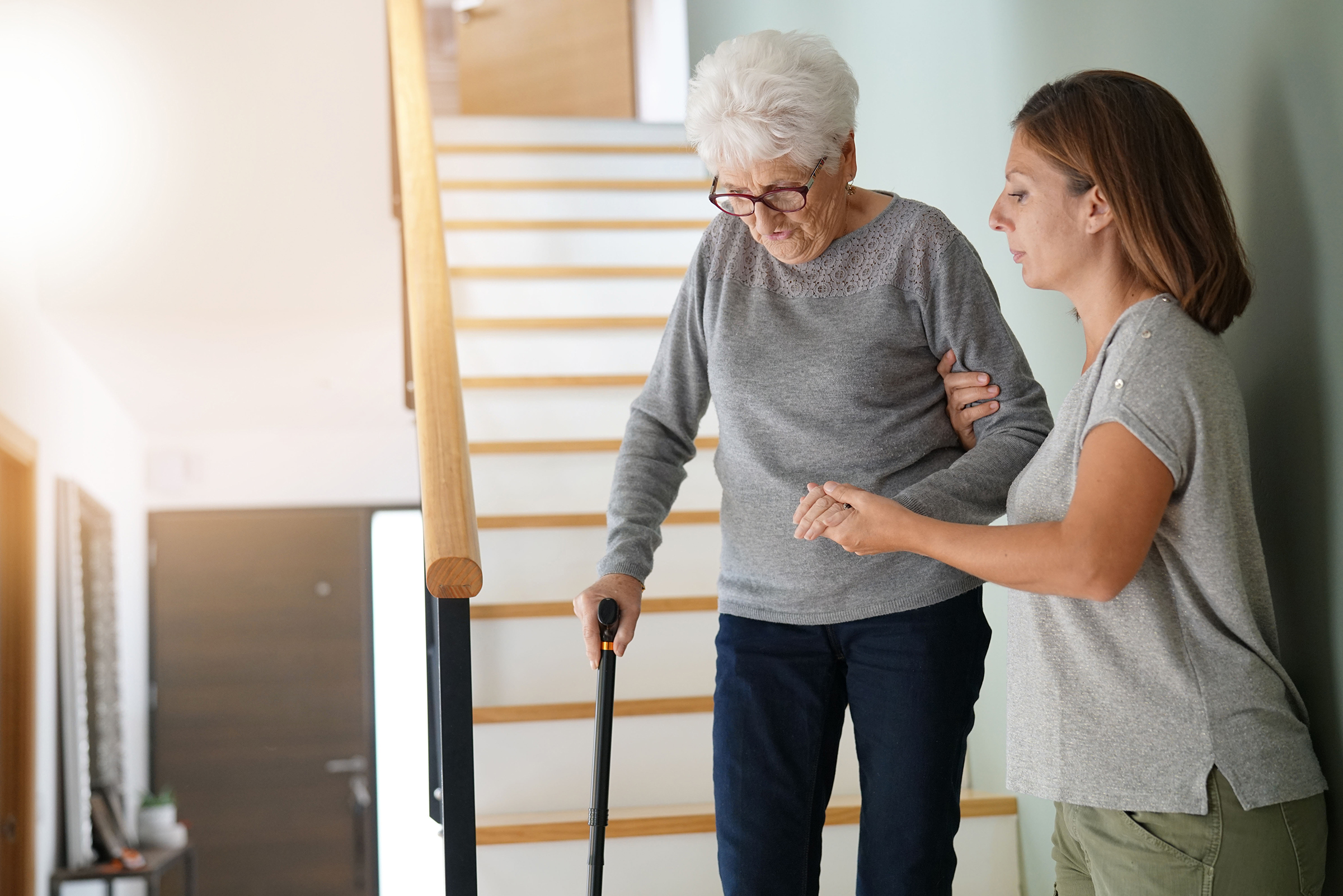
With age, many mobility issues can occur. A loss of balance can mean an increased risk of a trip or fall within the home. Combined with weakened bone strength and fragility, a trip or fall can cause serious, long-term health issues.
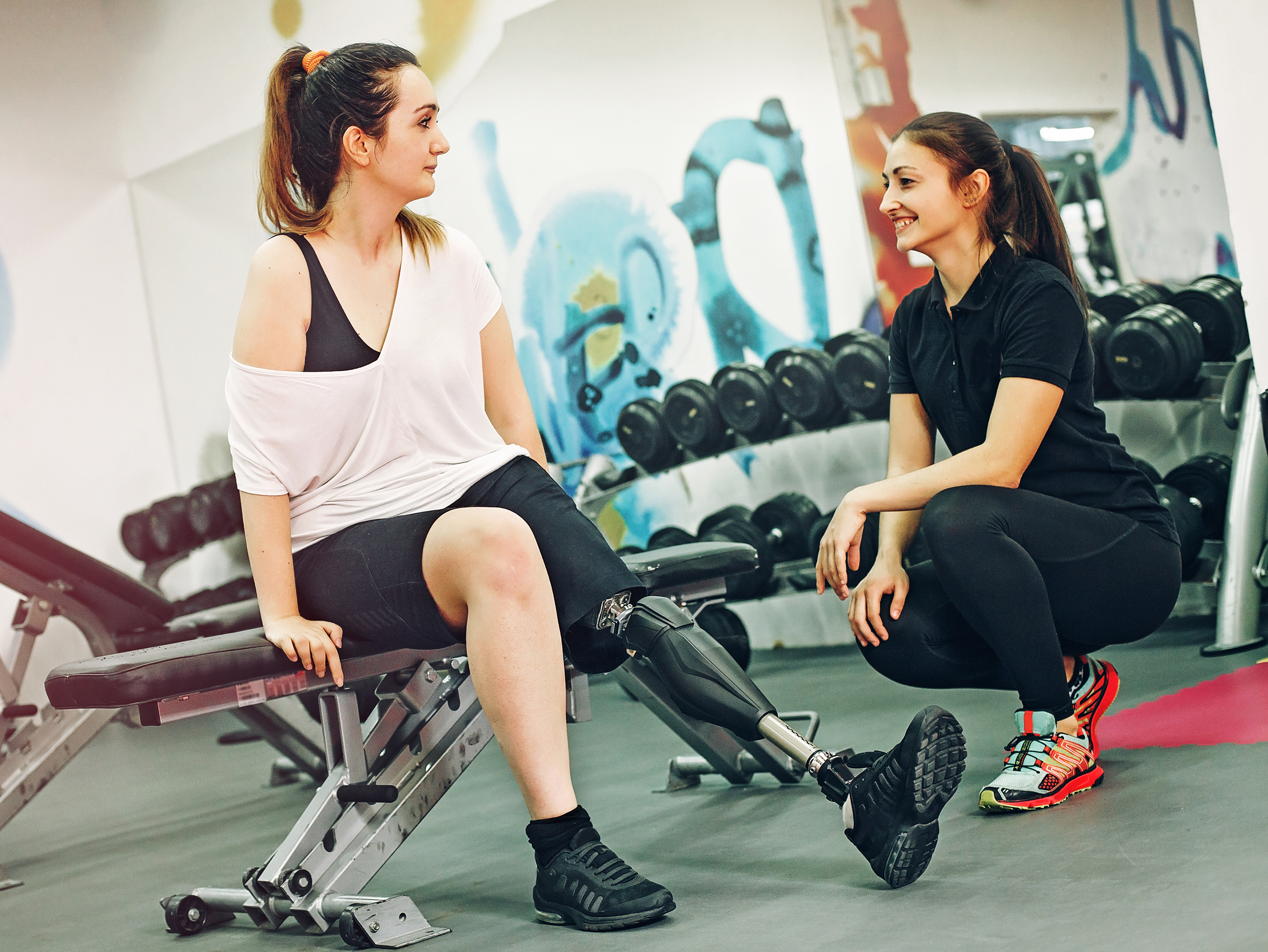
Loss of a limb, whether due to disease or sustained injuries is often sudden and unexpected. This gives the amputee little or no time to adapt their home to meet their mobility needs. Rehabilitation is an essential part of the recovery process and begins soon after the amputation is performed.

Spinal Cord Injury can be a very a serious physical trauma that can have a significant and permanent impact on most aspects of daily life. Spinal cord trauma can be caused by injury, disease, or infection.

A man with a rare neurological condition which leaves him with extreme ‘shakiness’ in his legs has discovered how to remain in his two-storey home after becoming the first person to have a new state-of-the-art Stiltz Trio+ Home Lift installed.

Judy Turner suffers from multiple sclerosis but she is still mobile and fully able to use the stairs. However, she felt it was important to plan for the future and this involved finding a solution which did not require the need to move house.

Christopher Knowles, 70, suffers from Inclusion Body Myositis (IBM) – a slowly progressive muscle-wasting disease that mostly affects the arms and legs – and was diagnosed with the disease five years ago.
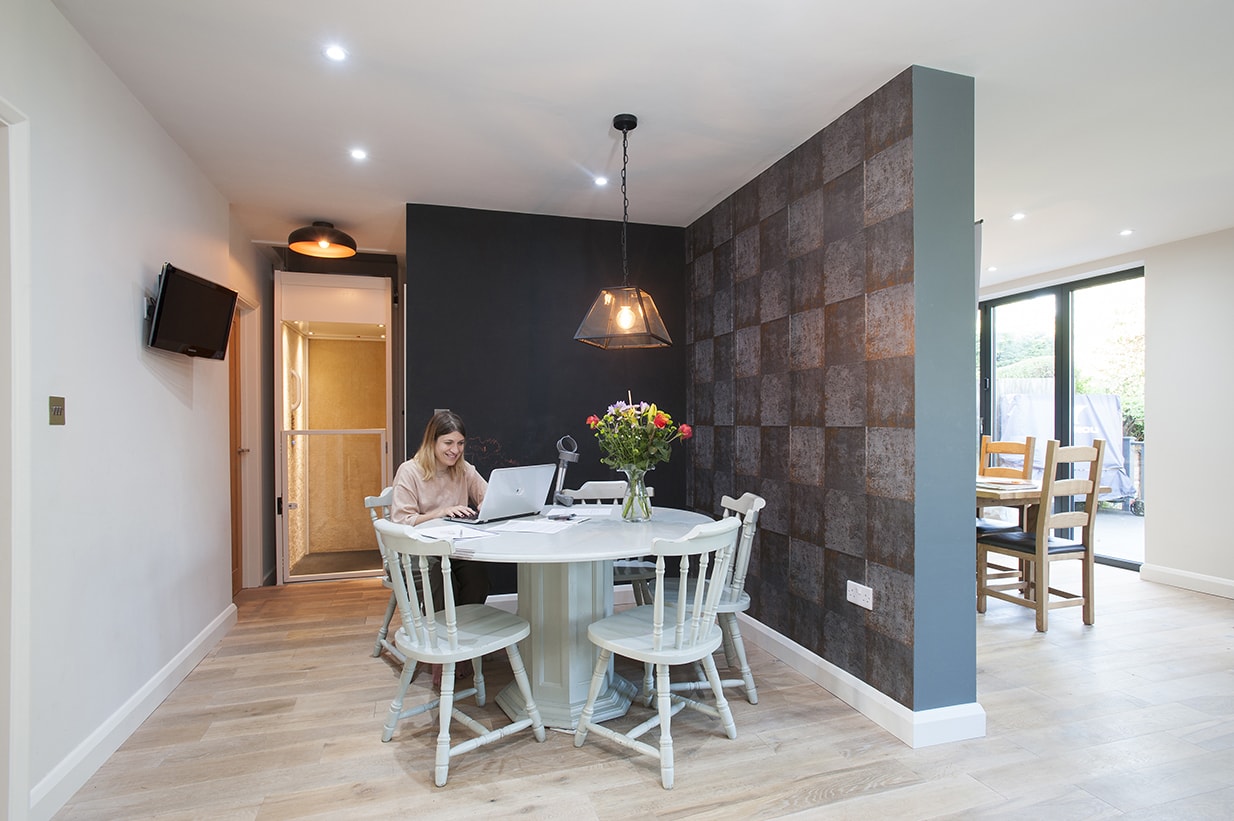
A cerebral palsy sufferer from London has ‘transformed’ her life after installing a Stiltz Home Lift which enables her to move from floor to floor simply and easily at the touch of a button.

Jane Seppings, 80, has arthritis in both knees and had a pacemaker fitted earlier this year, so using the stairs was becoming more and more challenging. But moving from the 17th-century four-bedroom farmhouse she has lived in since 1965 was not an option as Jane says the home in Weston near Beccles is ‘the perfect house’.

When you find your perfect home in the perfect location, the last thing you want to be forced to leave when reduced mobility makes access upstairs difficult. So, when Judith and Tony Jones found themselves in this situation, they turned to Stiltz Homelifts to provide the solution.

Multiple Sclerosis (MS) is an auto-immune disease that affects the brain and spinal cord. The immune systems goes from fighting off infections and viruses to turning against itself and attacking nerve cells. This causes a range of symptoms such as blurred vision, fatigue, loss of balance, muscle pain and spasms, numbness and tingling & difficulty walking.
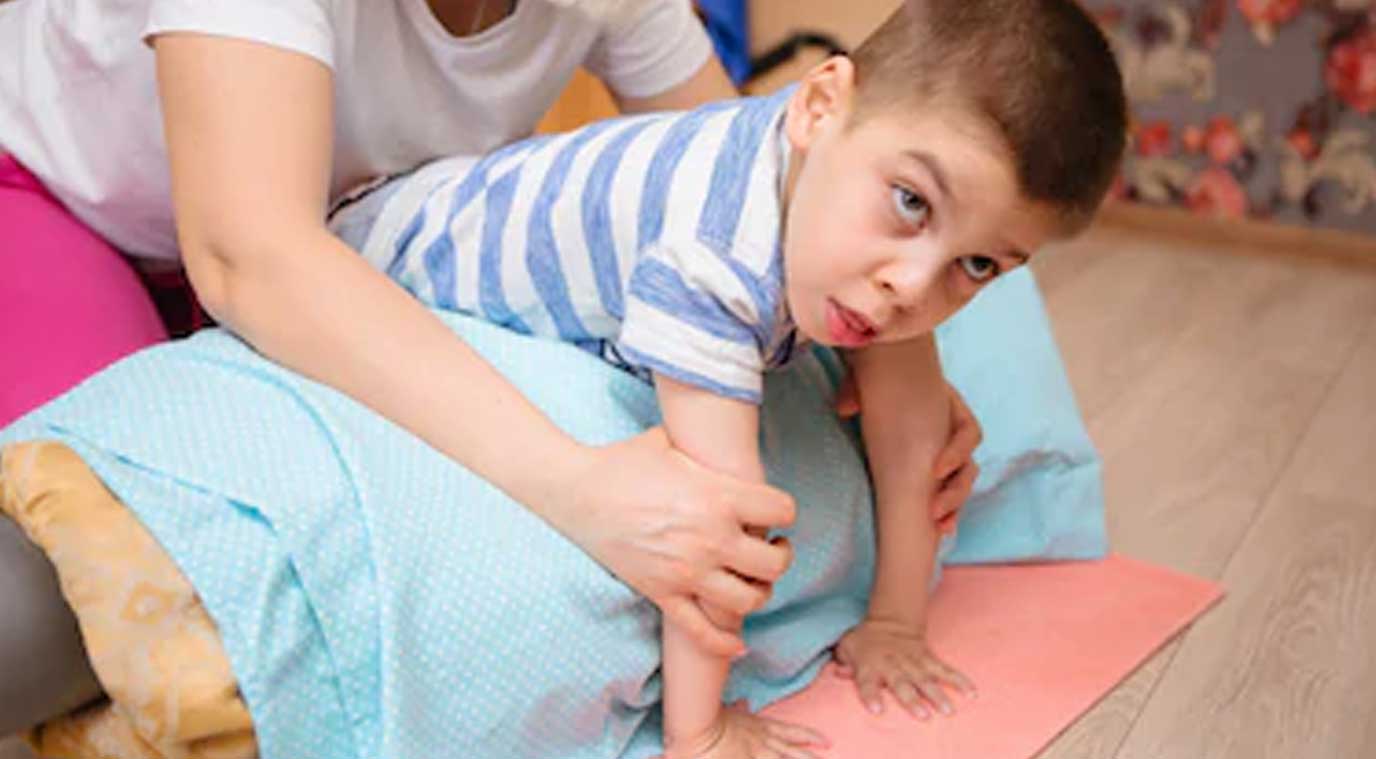
Cerebral Palsy (CP) is the name for a group of lifelong conditions caused by a problem with the brain that develops before, during or soon after birth. Cerebral Palsy symptoms are usually noticeable in the first two to three years of a child’s life.
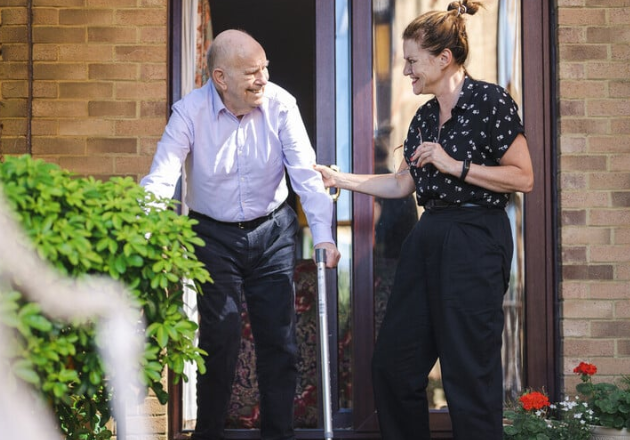
Muscular Dystrophy is an umbrella term for a group of inherited, genetic conditions that gradually cause the muscles to weaken. The condition is progressive and often begins by affecting a particular group of muscles, before affecting the muscles more widely.

Movement Disorders encompass a number of conditions that affect the nervous (neurological) system causing increased abnormal movements. These movements can either be voluntary or involuntary with different levels of severity depending on the condition.
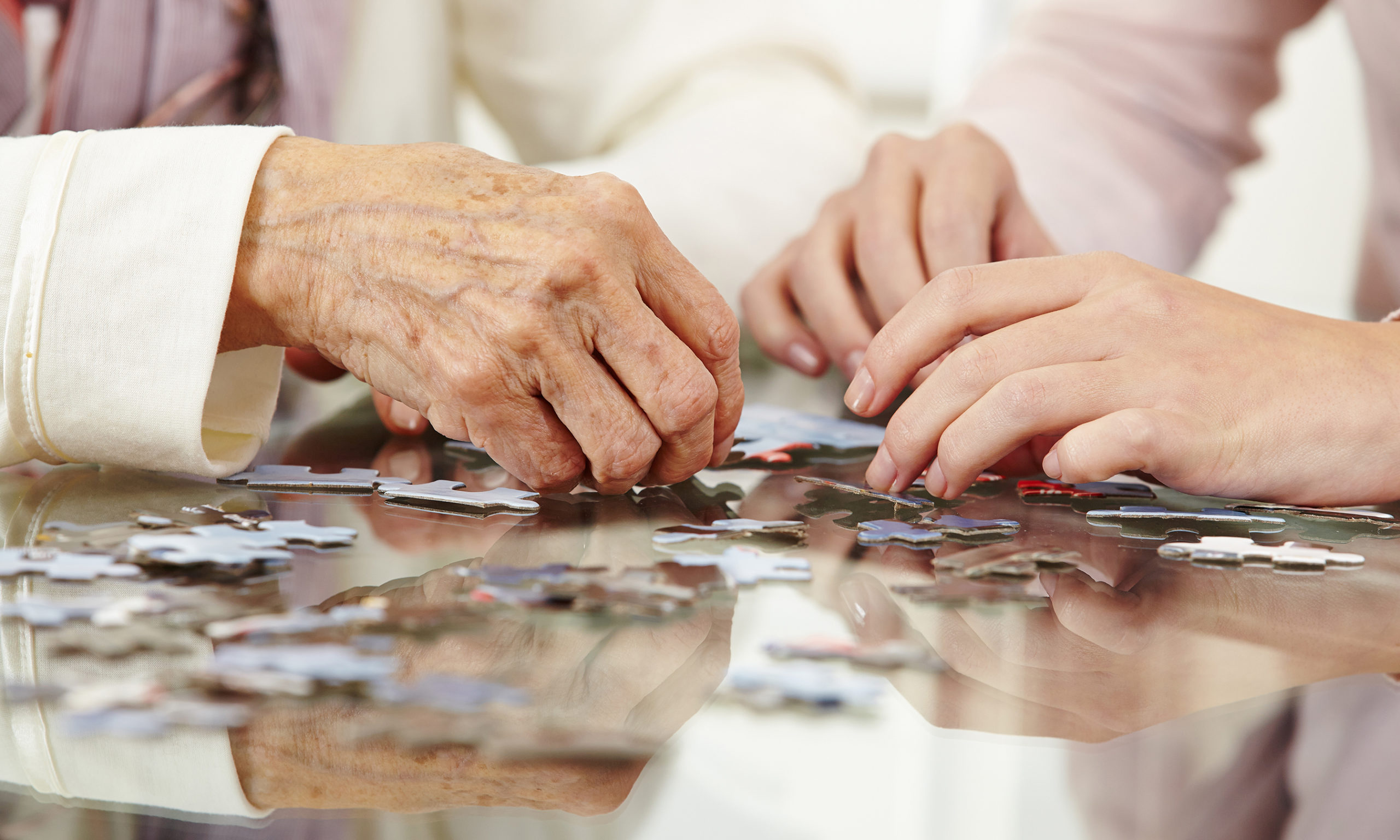
Dementia is an umbrella term for a range of symptoms which affect memory, problem-solving, speech, clear thinking, mental agility and also movement.
Later on, symptoms include loss of empathy, lack of interest in surroundings and other people.
