What is a DFG?
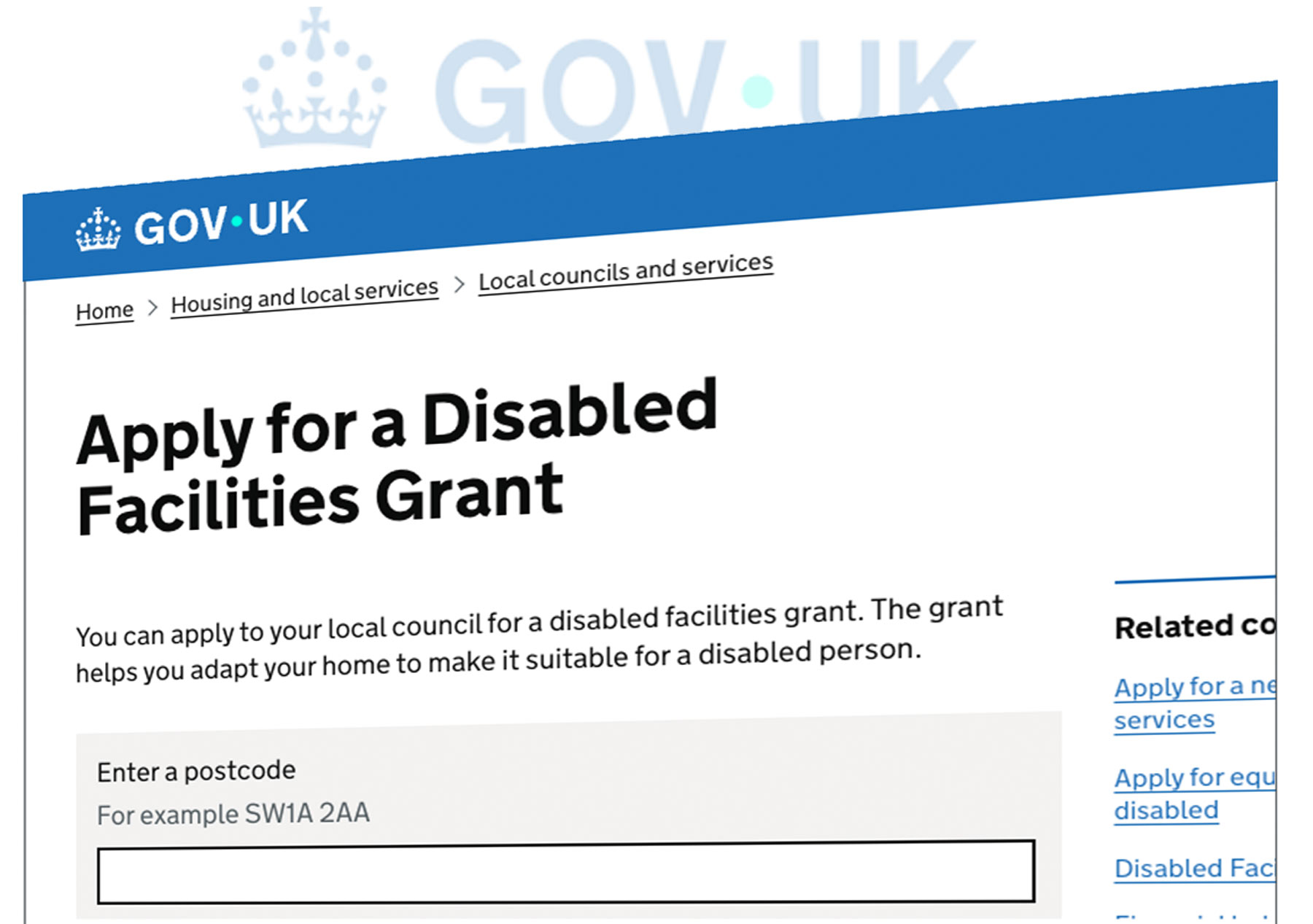
If a client’s disability compromises their occupational performance, they may be entitled to home adaptation funding through a DFG.
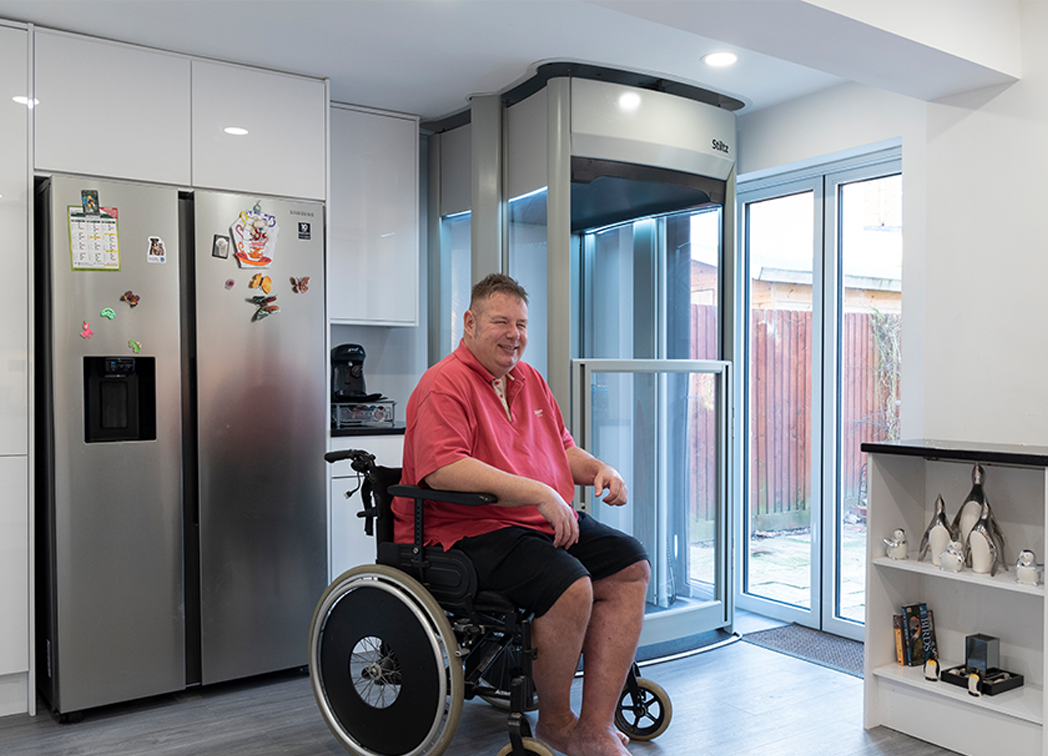
A DFG is provided by the Local Authority to help install homelifts, stairlifts, ramps, accessible baths/showers and other accessibility equipment in the home. These are provided to disabled adults and children so they can lead more independent lives whilst supporting families and carers.

DFG The Key Facts
- A DFG is part of the Housing Grants, Construction and Regeneration Act 1996 (and amendments)
- DFG is a mandatory grant i.e., people have nationally-defined legal rights concerning its provision
- DFGs are means-tested. This does not affect any other benefits your client receives and the means testing is not applied to families of disabled children under 18.
- The client must own the property or be a tenant who intends to remain in the property for a minimum of five years
- Grants up to a maximum of £30,000 (2020-2021) are available however, the average grant awarded is currently £6,500
- Payment is made when a council approves the adaptation work and has received an invoice from the contractor. No work should commence before the grant has been approved as this can affect the application

Generalised Clinical Justification for a Homelift
- Enable older or disabled people to improve their occupational performance
- Reducing the need for care
- Encouraging independent living
- Reducing the risk of injury from falls
- Improving self-confidence and self-esteem
- Reducing anxiety and depression
- Providing greater control over everyday life
- Clients can remain in their existing 2-storey property
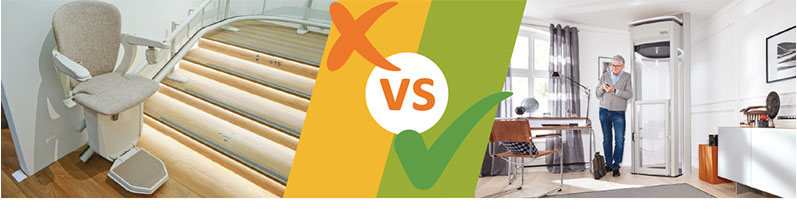
- Avoids potential embarrassment of having a stairlift
- More cost-effective than downstairs conversions


Reducing Pressure on the NHS and Social Care
- Homelifts assist in reducing hospital and A&E pressure by removing the risk of accidents on the stairs
- DFG provision benefits the state by significantly improving quality of life and care costs
- Homelifts benefit carers by removing the need to physically lift or carry clients up and down stairs avoiding risk of injury and stress to both
- Homelifts can prolong older persons’ duration of living in their home, reducing the need for social or residential care

How and When to Apply
- The client owns the property or is a tenant with the intention to remain in situ for five years
- If a tenant, landlord permission is required. The landlord can also apply on the tenant’s behalf
- An OT can refer clients where applications are usually handled by the Local Housing Authority
Homelift providers will always work closely with Healthcare Professionals and Local Authorities to champion positive end-user outcomes.



FAQs
We’re here to help you get the information you need. Below, you’ll find answers to some of the most common questions we get asked, but if you can’t find what you’re looking for, please don’t hesitate to contact us directly.