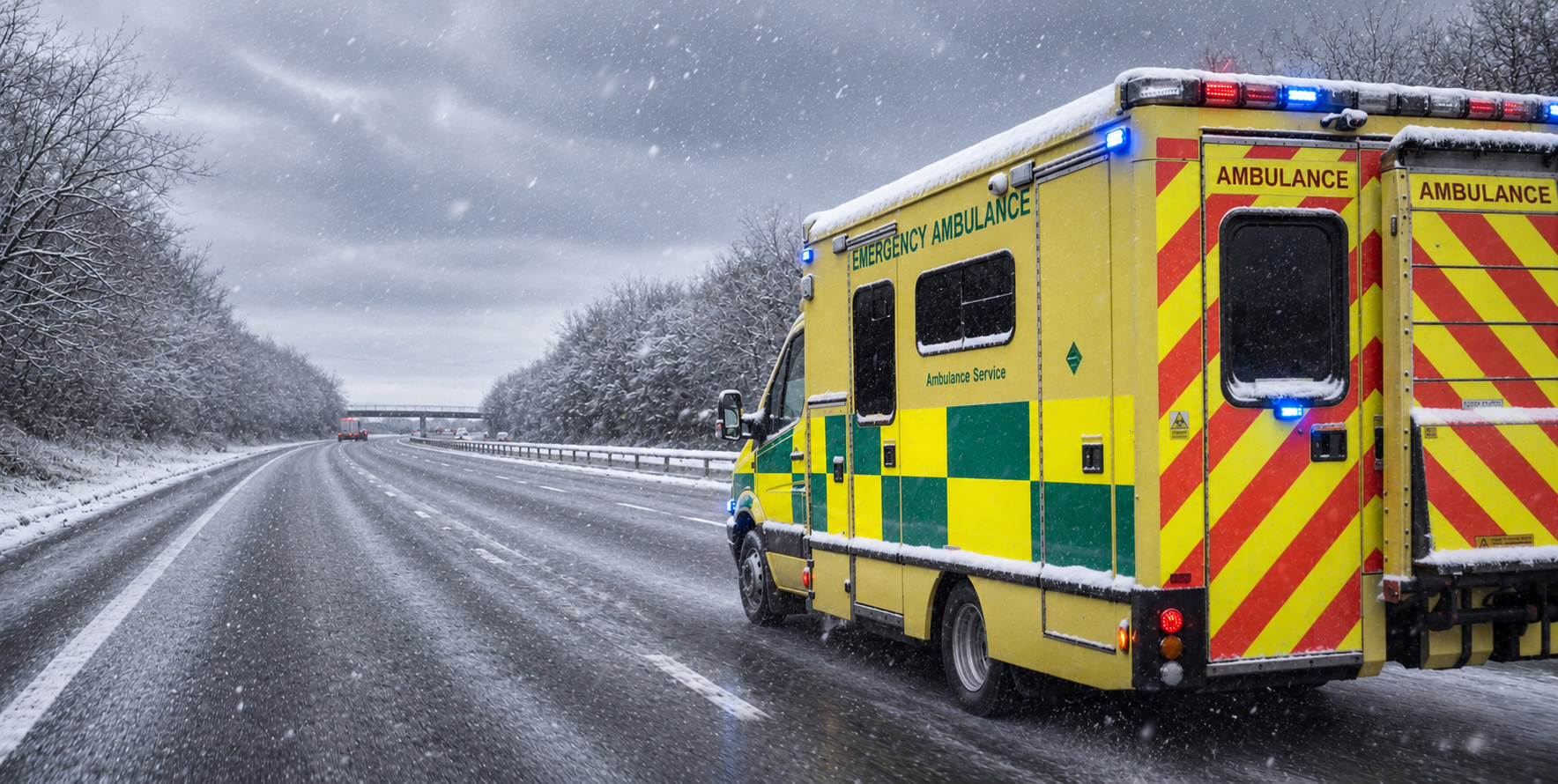
Emergency departments are entering winter 2026 under significant strain. In a recent survey by the Royal College of Emergency Medicine, 92% of A&E clinical leads across the UK described pressure as high or very high, and only 3% said their department was well prepared for winter. Falls at home and existing conditions aggravated by colder temperatures are major contributors to this seasonal demand.
Winter health conditions and falls risk
Cold weather can worsen several conditions common among older adults:
· Respiratory conditions. Cold, dry air can trigger bronchospasm in clients with COPD or asthma, and winter infections can leave clients fatigued for several weeks. Breathlessness on exertion makes the stairs one of the most demanding tasks of the day.
· Musculoskeletal conditions. Clients with osteoarthritis or rheumatoid arthritis often experience increased stiffness and pain, affecting balance and gait.
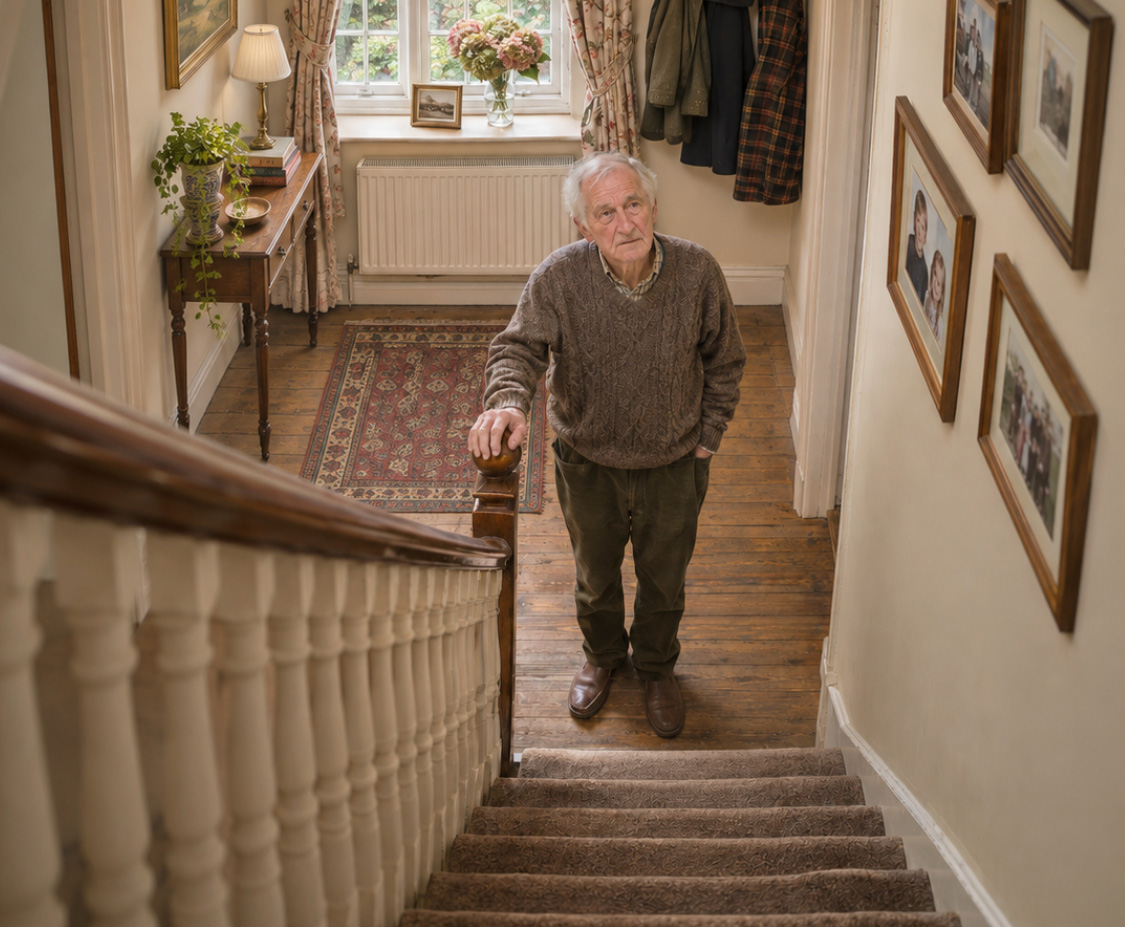
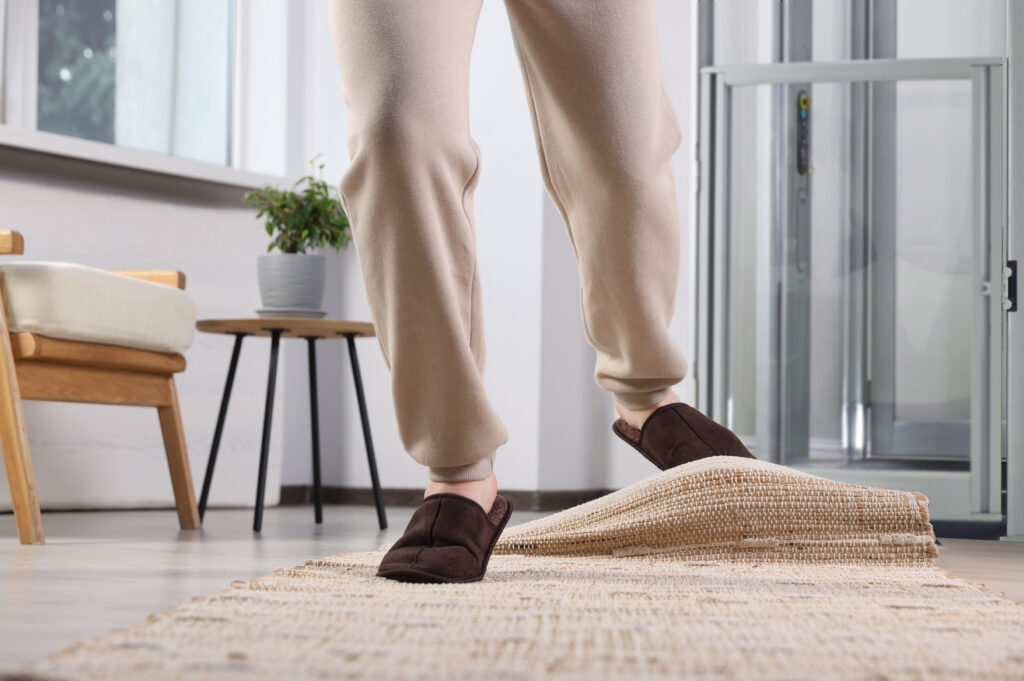
These effects are heightened on the stairs. Shorter days mean more stair use in low light, and more time indoors means clients use the stairs more often, increasing the risk of a fall.
Discharge delays and home readiness
A common reason a medically fit client cannot leave hospital is that their home is not yet safe for them to return to. Stairs that were manageable before admission may no longer be accessible after an illness or a fall, and each additional day on an acute ward risks further deconditioning and loss of independence.
Ensuring the home is suitable for a client's needs is therefore a vital part of discharge planning. This is where healthcare professionals such as Occupational Therapists play a central role. By listening to clients, understanding their daily routines and assessing how they move around their home, Occupational Therapists can identify potential risks and recommend the adjustments needed for a safe return home.
Home adaptations and long-term independence
The right adaptation depends on the client's condition, home layout and goals. Common options include:
· Grab rails and a second banister to provide additional support on stairs and in bathrooms
· Improved lighting on stairs, landings and hallways to reduce trip or fall risk in low light
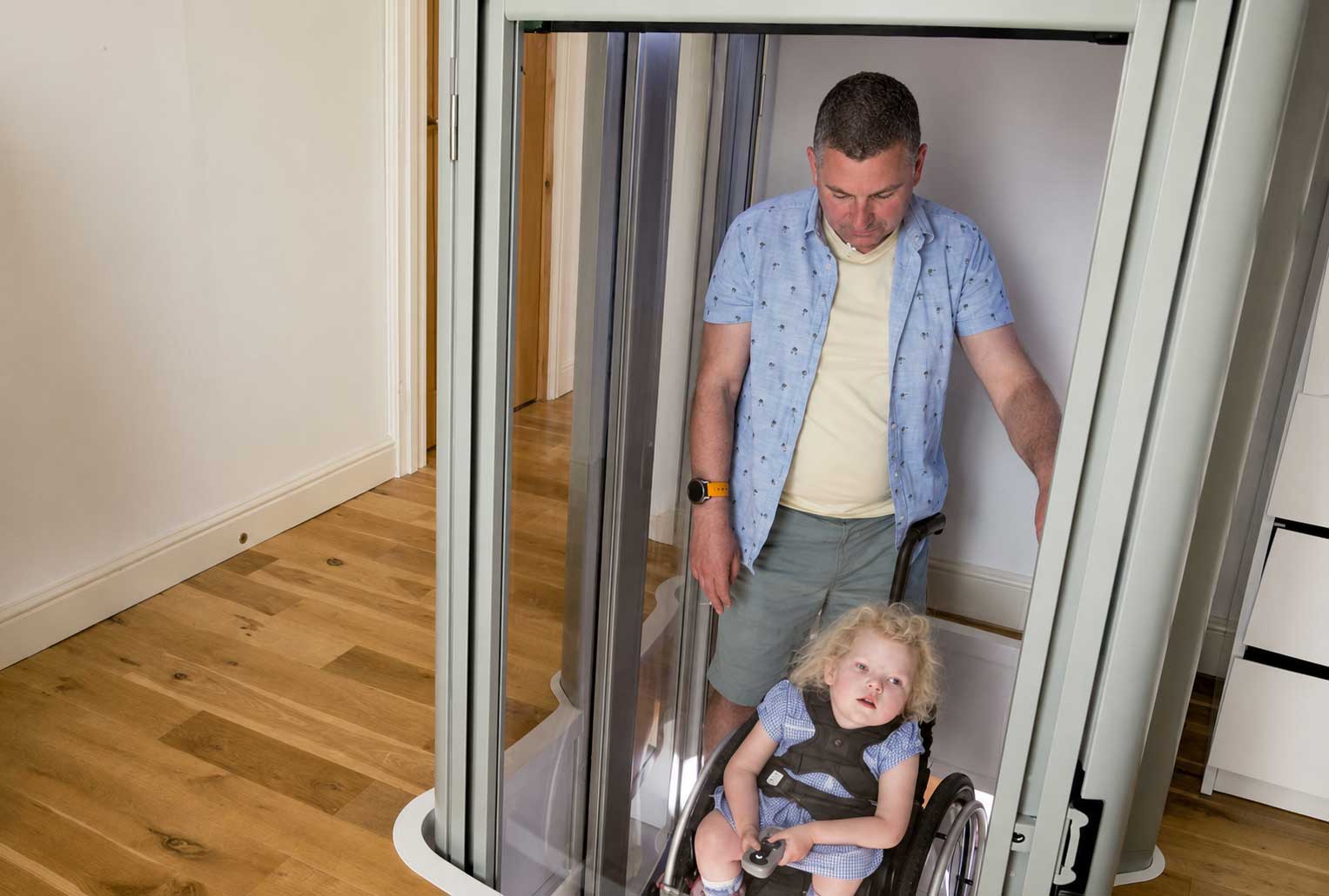
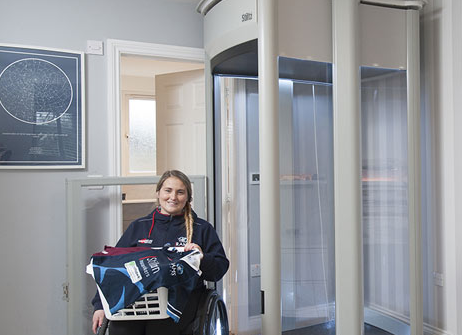
These adaptations can make a real difference for many clients. However, for complete peace of mind and to re-establish independence, a safe and effortless means of getting upstairs and down, such as installing a Stiltz Homelift, is the optimal choice.
Features that support safe use through the winter months and all year round include:
· Built-in automatic light. The lift car lights up automatically, supporting safe use during darker winter evenings/mornings and at night throughout the year.
· Safety sensors. The lift stops immediately if an obstruction is detected in its path.
· Optional battery backup. The lift remains operational during a power cut, whether caused by winter storms or at any other time.
· In-lift phone. A phone inside the lift can be set up with family contacts, so help is always within reach.
Planning ahead
Many decisions about mobility and safety at home are made reactively, often following a fall or a hospital admission. By this point, the client may already face a longer recovery, reduced confidence and a delayed return home.
Sometimes change comes suddenly. A single injury can make the stairs a daily barrier overnight, leaving clients, families and professionals to find a solution at short notice. Read more about how a homelift helped one couple stay in the home they love after a sudden injury.
Being proactive is one of the most effective ways to prevent avoidable hospital stays. Where early changes in a client's ability to move around the home are noticed, such as increasing difficulty on the stairs or reduced confidence moving between floors, this is the ideal time to consider longer-term solutions such as a homelift. Acting early helps clients remain safe and independent at home, and reduces pressure on hospital and care services when they need it most.