Good Care Month: Supporting Everyday Care Through Preventive Home Adaptations
Every July, Good Care Month recognises people who dedicate their time to caring for others. A recent Carers UK press release reports that 5.8 million people across the UK provide unpaid care for a family member, friend or neighbour who is ill, older or disabled. Many do this alongside work and other family responsibilities.
Not everyone identifies themselves as carers. They are partners supporting one another, parents caring for a disabled child, adult children helping ageing parents or grandparents stepping in when needed. For many, caring simply becomes part of everyday life.
The Hidden Challenges of Caring at Home
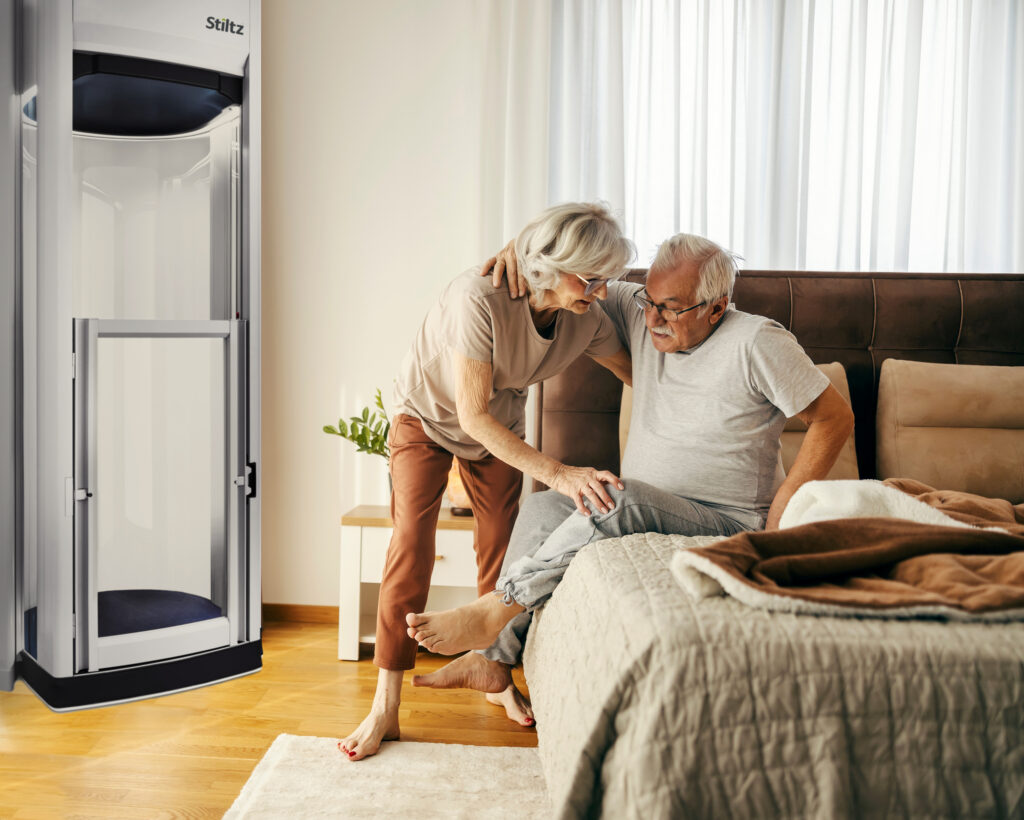
Caring for someone at home can be physically and emotionally demanding. As mobility needs change, everyday activities such as getting dressed, using the bathroom or moving between floors may require more help.
Stairs are often one of the first barriers families encounter. Helping someone up and down them or carrying mobility equipment between floors can become physically demanding. There is also the increasing risk of falls to consider, especially around the stairs. Caring can take an emotional toll too. More than half (57%) of unpaid carers say they feel overwhelmed 'often' or 'always', according to Carers UK.
Preventative Adaptations Rather Than Crisis Response
Home adaptations are often considered after a significant change in mobility or following an accident. Introducing them earlier can help someone remain independent at home and reduce the risk of a crisis becoming the trigger for change.
Early intervention also has an important role in reablement. Removing barriers within the home can reduce the amount of help someone needs with everyday tasks and allow them to continue using more of their home independently.
This can also have implications for health and social care services. Helping someone manage safely at home may reduce the likelihood of avoidable falls or a situation reaching the point where more intensive assistance is needed.
The Wider Impact of Home Adaptations
Home adaptations designed for one person can also change the amount of physical assistance needed from family and the wider support network.
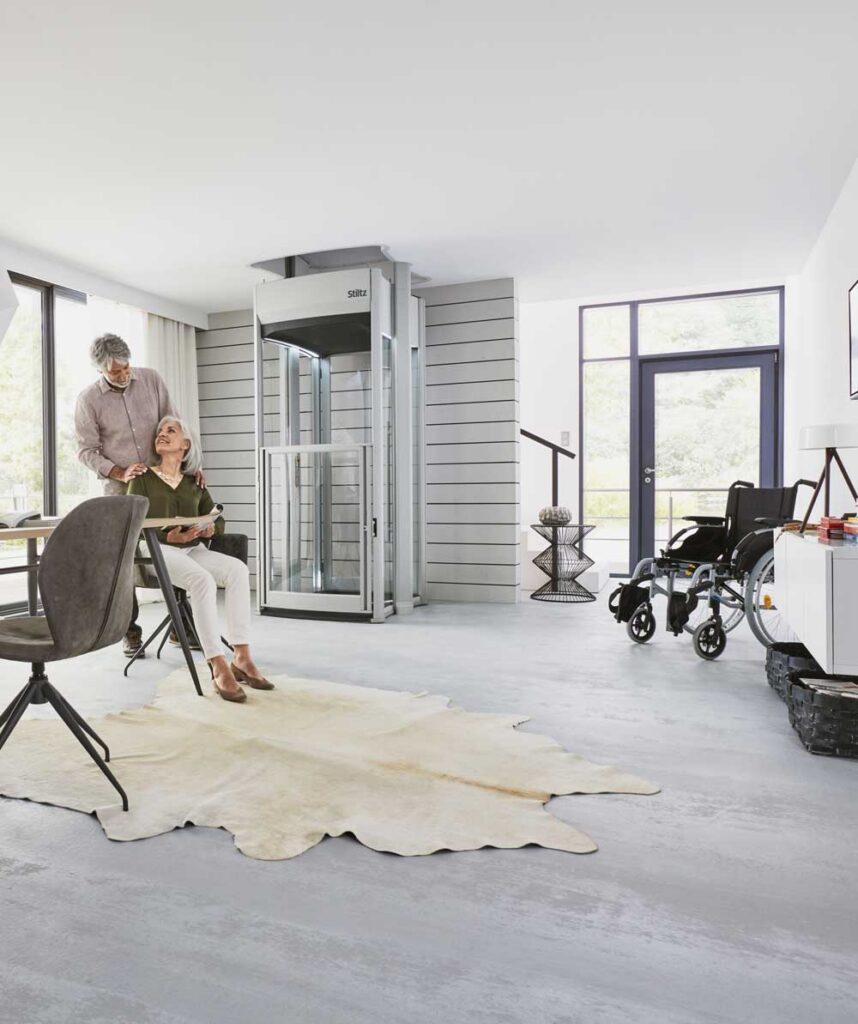
A through-floor homelift, for example, can give someone access to both floors without having to relocate bedrooms or bathrooms downstairs. It can also avoid some of the major, and potentially costly, structural alterations that might otherwise be considered.
Where someone previously relied on another person to help them with the stairs, a homelift can give them greater independence while reducing the physical demands on their carer. Knowing they can move safely between floors can bring peace of mind for everyone.
An Occupational Therapist's Perspective

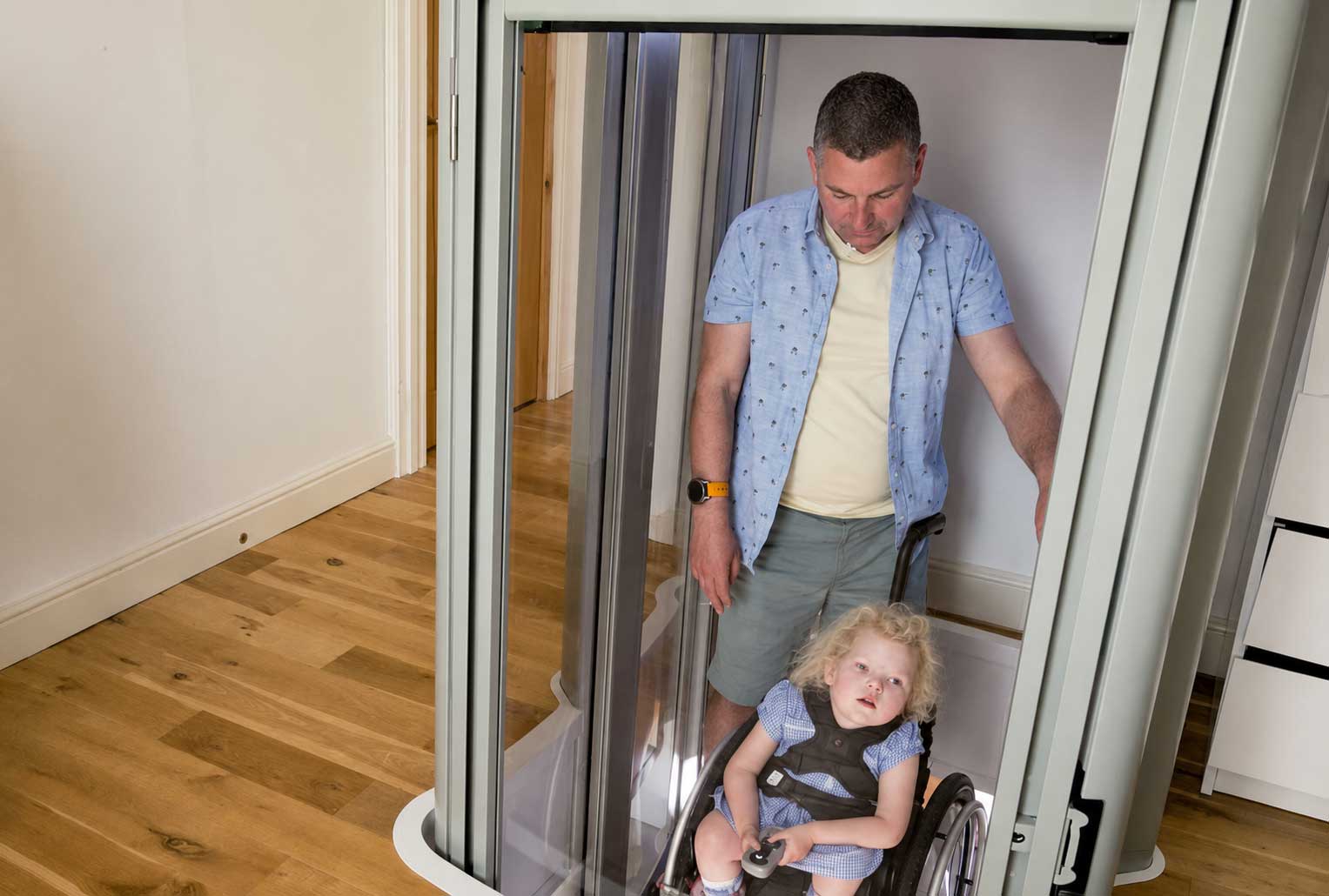
Occupational Therapist Stuart Barrow understands the impact of home adaptations from his own family experience. His daughter Bonnie was born with spina bifida. As she grew, carrying her and her wheelchair upstairs became increasingly difficult. Everyday routines took more planning and physical effort, and the stairs also made it harder for Bonnie's grandmother to give her parents some respite.
As Bonnie grew, the family began looking for a solution that would work for her longer term. They chose to install a Stiltz Trio+ Homelift, one of the larger models in the range with ample space to accommodate a wheelchair.
For Bonnie, this meant she could travel between floors without needing to be carried, reducing the manual handling involved in everyday routines. It also meant her grandmother could once again help with bedtime and other aspects of her care. With another family member able to support Bonnie at home, Stuart and his wife felt confident enough to enjoy an occasional evening out together.
The Value of Earlier Intervention
Good Care Month is an opportunity to recognise the enormous contribution unpaid carers make every day. Carers UK estimates that the care they provide is worth £184 billion to the UK economy each year, often described as the equivalent of funding a second NHS.
Looking at home adaptations earlier can help reduce some of the pressures associated with caring at home. For the person receiving care, it can mean greater independence and continued access to more of their home. For those supporting them, it can reduce the need for physical assistance with everyday tasks.
Stuart and Bonnie's experience shows the difference this can make in practice, particularly when an adaptation is considered with both current and future needs in mind.
Read Stuart and Bonnie's story to learn more about the difference adapting their home has made.
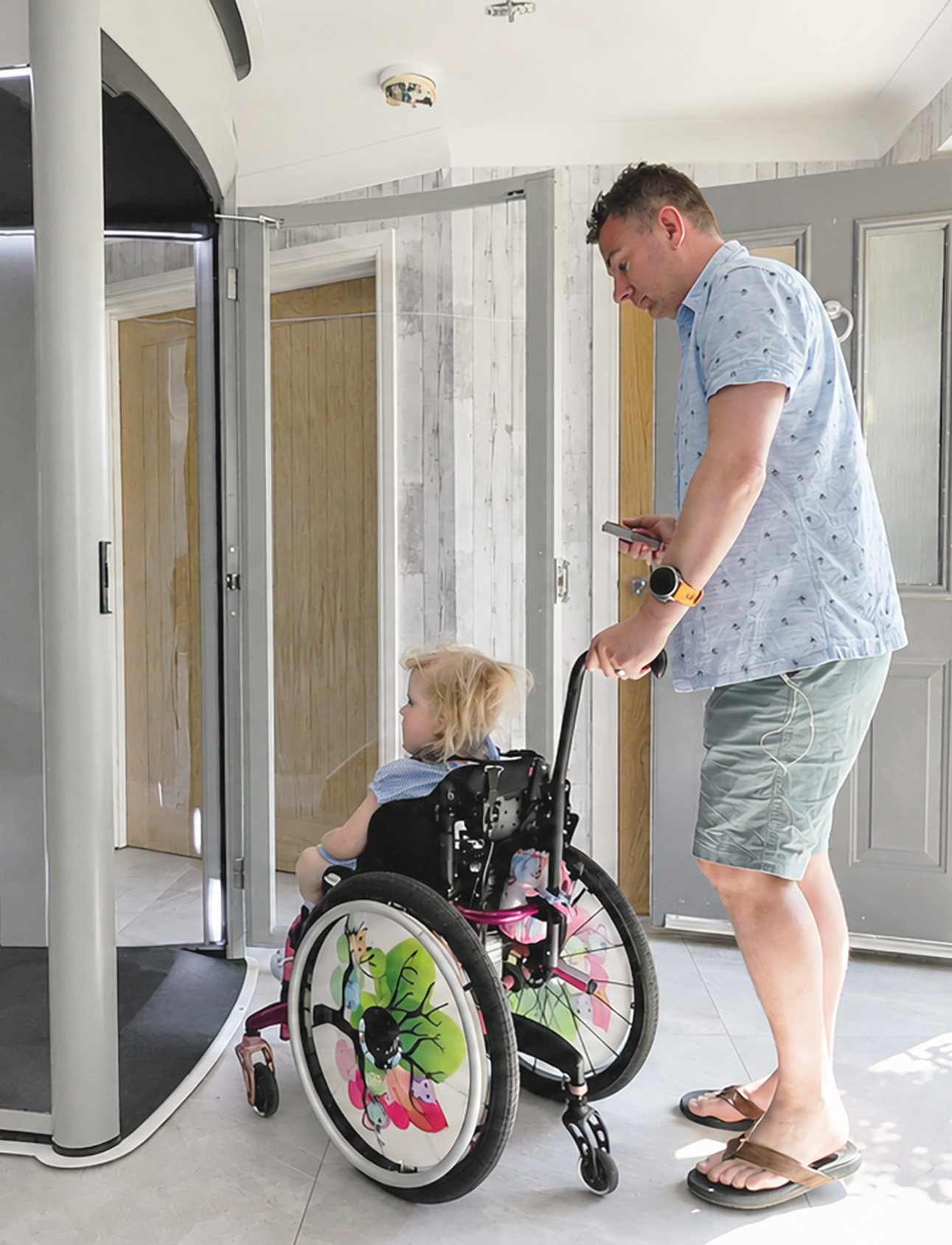
Removing barriers within the home can reduce the amount of help someone needs with everyday tasks and allow them to continue using more of their home independently.